
News




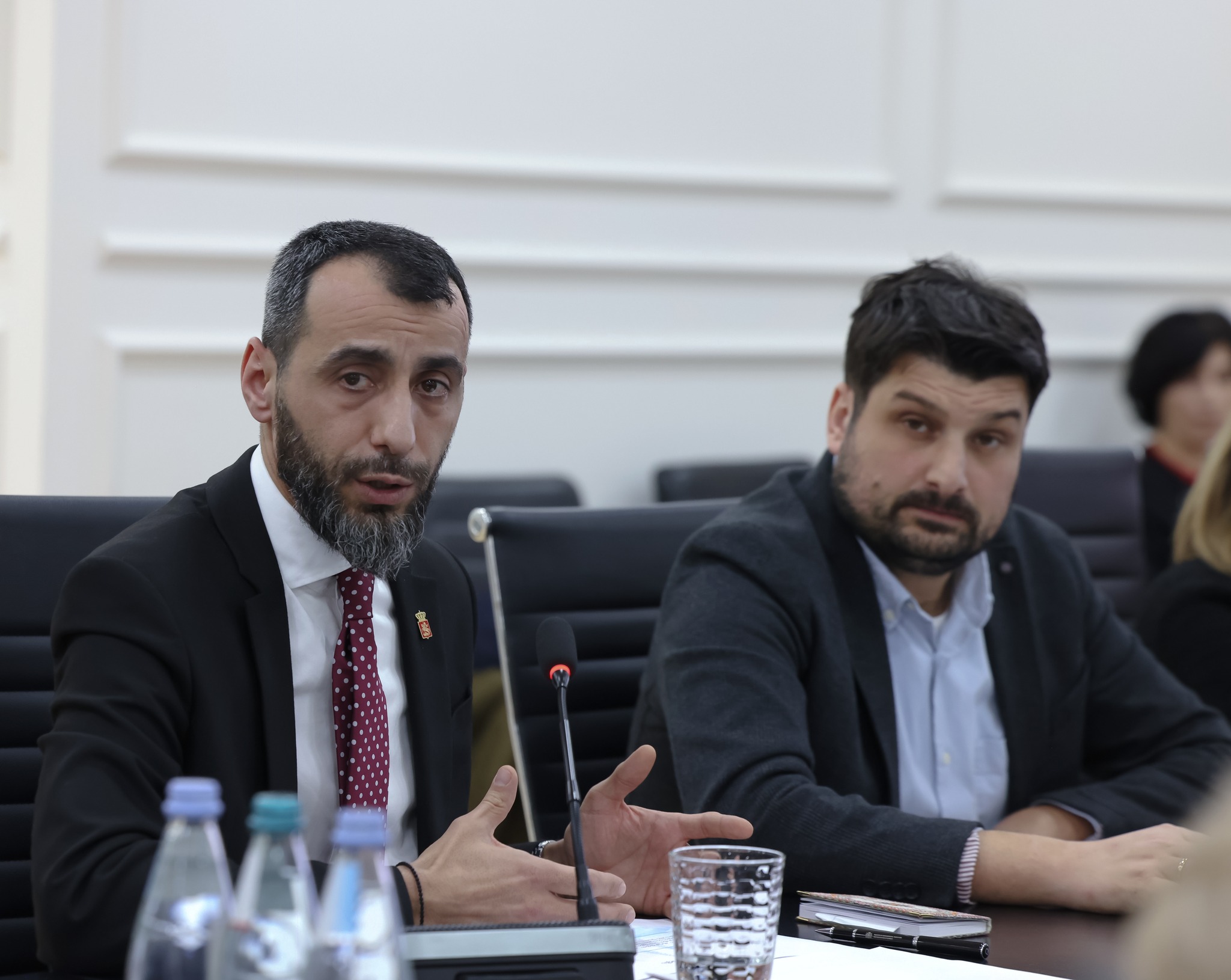





Public Discussion Addresses Amendments to the Forest Code Prepared within the Framework of Forestry Sector Reform.
As part of the National Forestry Program, a public discussion on the proposed amendments to the Forest Code was held at the Ministry of Environmental Protection and Agriculture of Georgia, with the participation of representatives of state institutions, academia, non-governmental organizations, and international organizations.
During the meeting, the parties emphasized the restoration of degraded forests and the strengthening of forest protection as key priorities. Accordingly, the proposed amendments to the Code aim to improve monitoring and control systems, including enhancements to forest protection mechanisms. The reforms also aim to simplify business processes and optimize costs.
“The planned amendments to the Forest Code are intended to strengthen the protection of forest resources and forest arrays through the use of modern technologies and technical equipment, as well as to increase the number and qualifications of foresters and forest rangers. Notably, as part of the reform, and with the support of the Government of Georgia, salaries of employees in the forestry sector have increased significantly as of January 1, 2026. At the same time, the reform envisages increased engagement of the commercial sector, enhanced transparency of operations and cost optimization. These measures aim to establish a competitive market and ensure accessibility of forest resources for entrepreneurs,” stated Mr. Zurab Ezugbaia, Deputy Minister of Environmental Protection and Agriculture.
Under the draft law, responsibility for forest protection is returned to the National Forestry Agency, considering the recruitment of 401 additional forest rangers, which will ultimately reduce the area managed by each ranger from 10,000–15,000 hectares to approximately 2,000 hectares. Furthermore, to enhance the effectiveness of forest protection and monitoring, the National Forestry Agency will undergo a comprehensive technical upgrade and will be equipped with modern technological tools.
The mentioned draft law also envisages changes to the existing model of timber harvesting and sale. In state forests, timber harvesting will be carried out by auction winners under the supervision of the Agency.
In addition, an electronic timber resource management system will be established, ensuring full accounting of timber use, transportation, and primary processing.
The range of entities entitled to special forest use will be expanded, and the right to use non-timber forest resources will be granted not only to legal entities but also to individual entrepreneurs.
Additionally, regulation of forest status for naturally forested privately owned areas will turn into a more flexible legal framework, enabling gradual resolution upon the completion of systematic land registration and forest management planning.
The strengthening of human and technical resources in forest protection was positively received by parties, noting that this represents an important step toward sustainable forest management.
At the same time, opinions were expressed on various aspects of the reform, including the new model of timber harvesting and sales. Ultimately, the parties agreed to continue discussions to ensure all stakeholder interests are adequately addressed.