
News
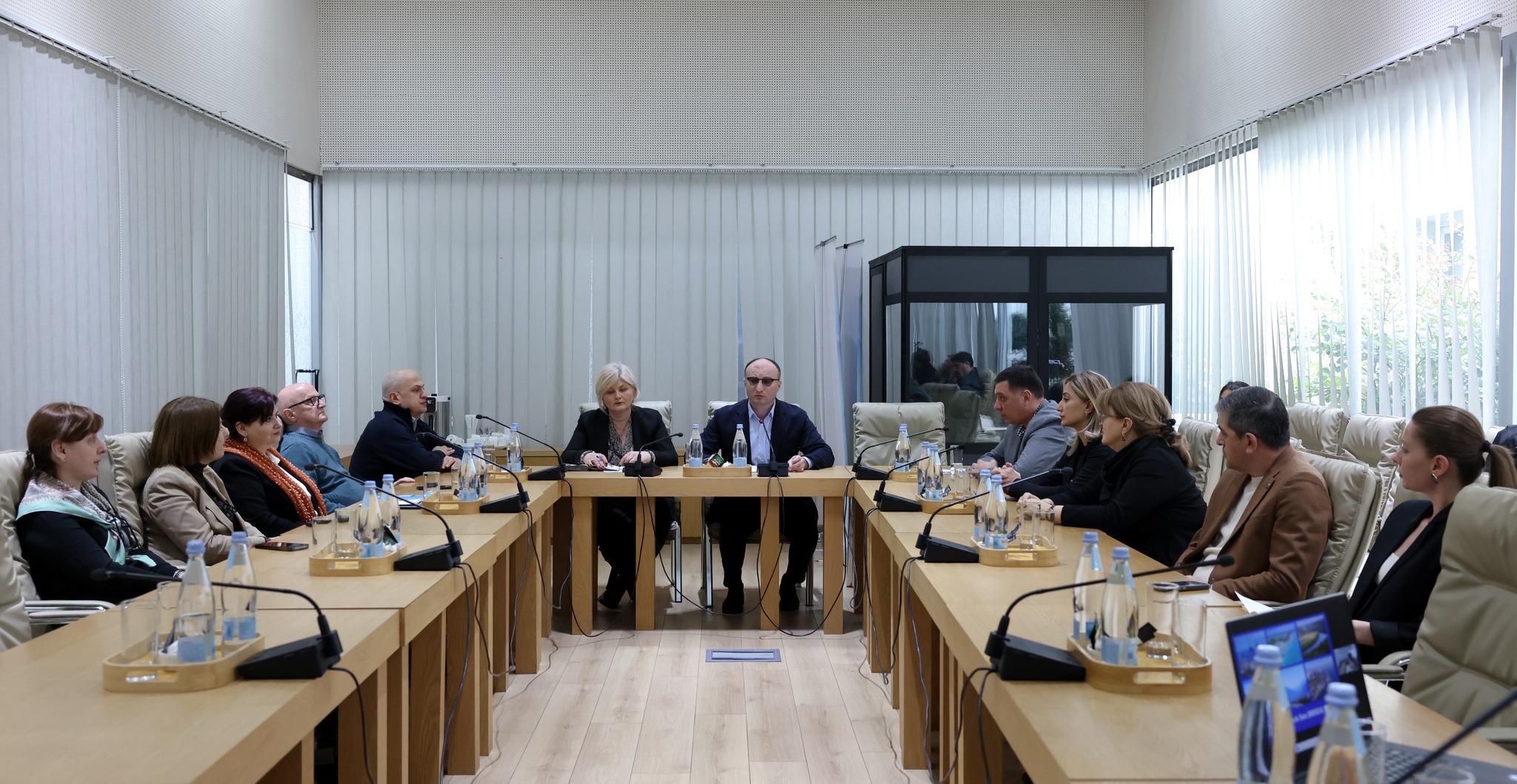
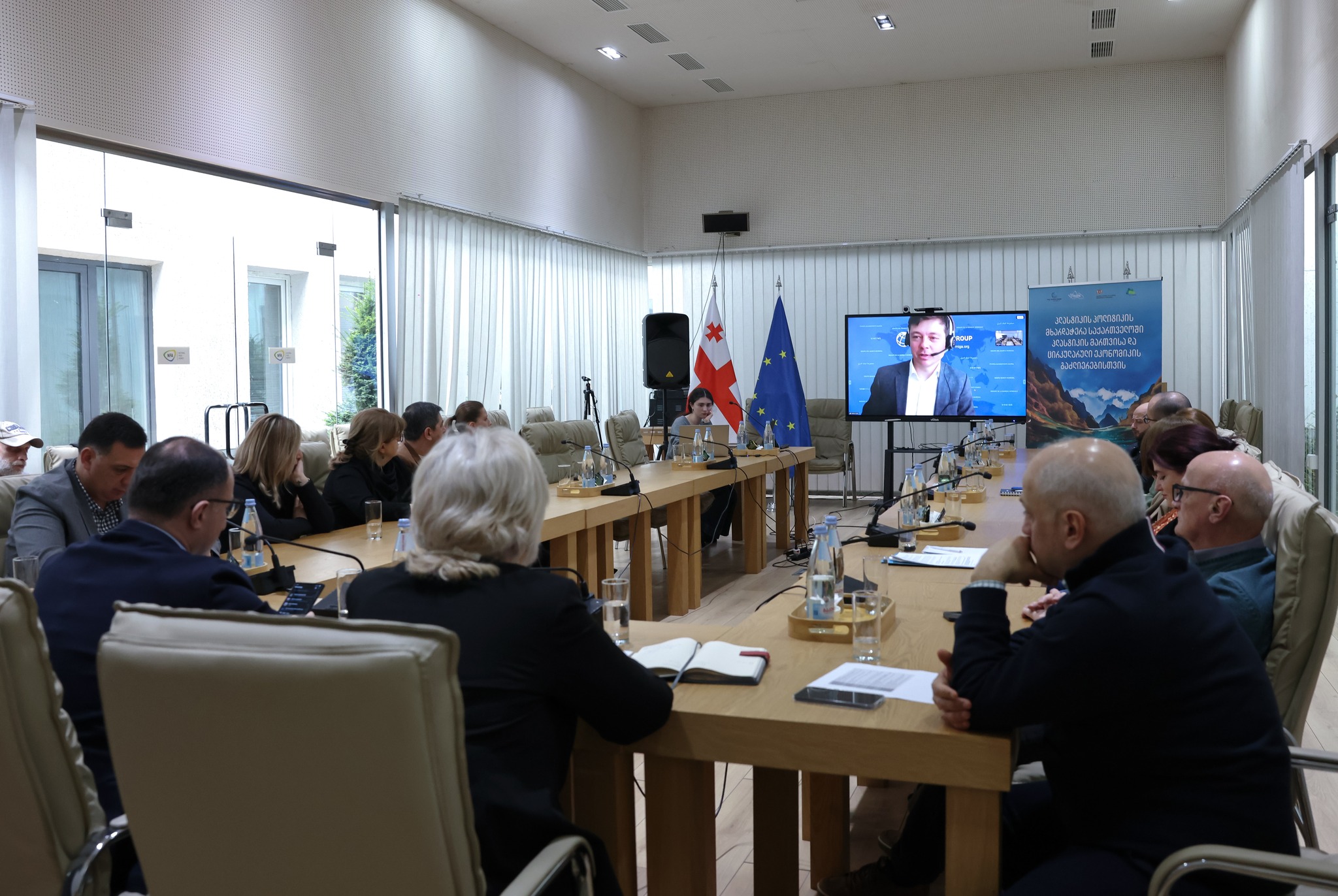
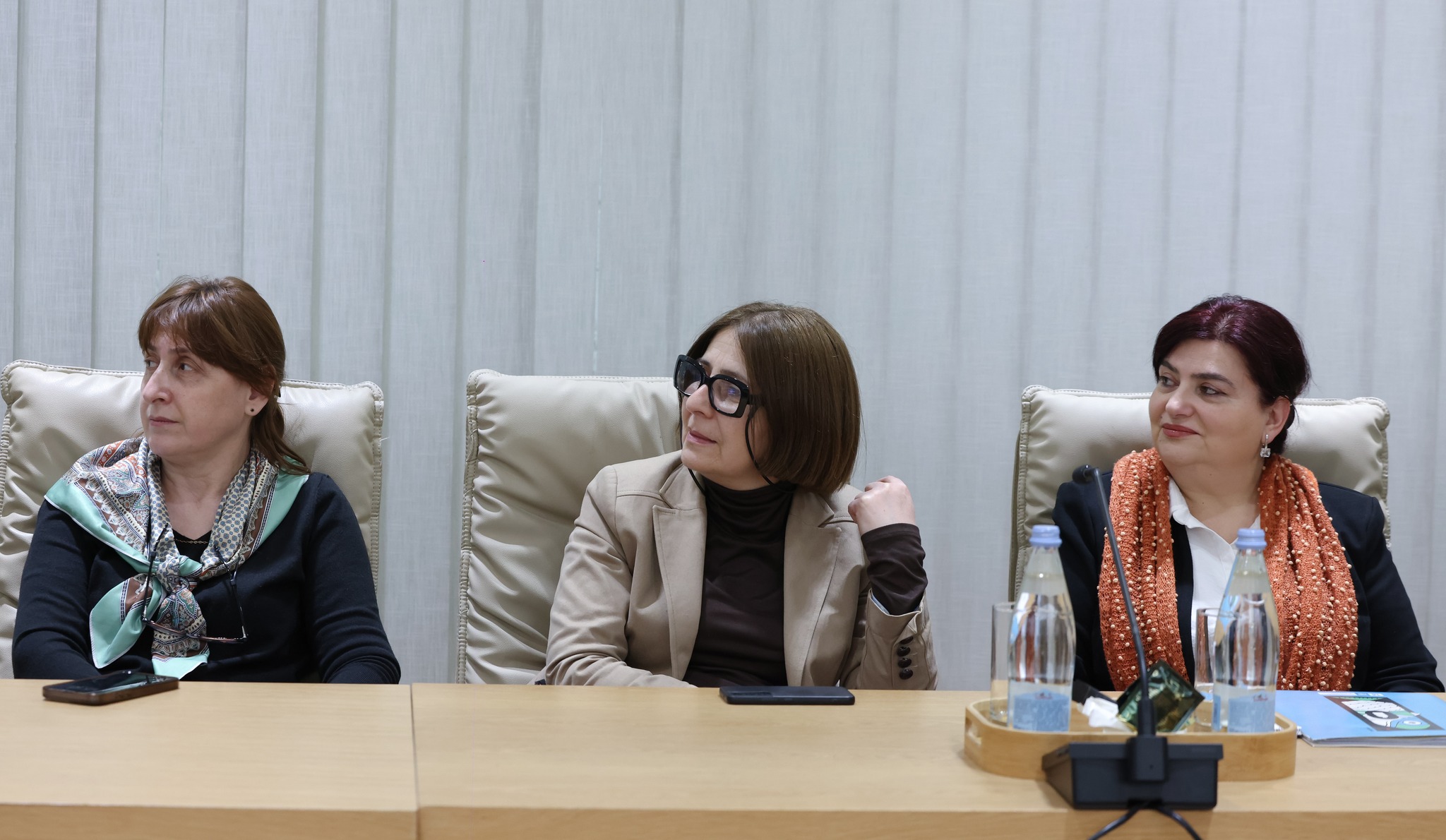
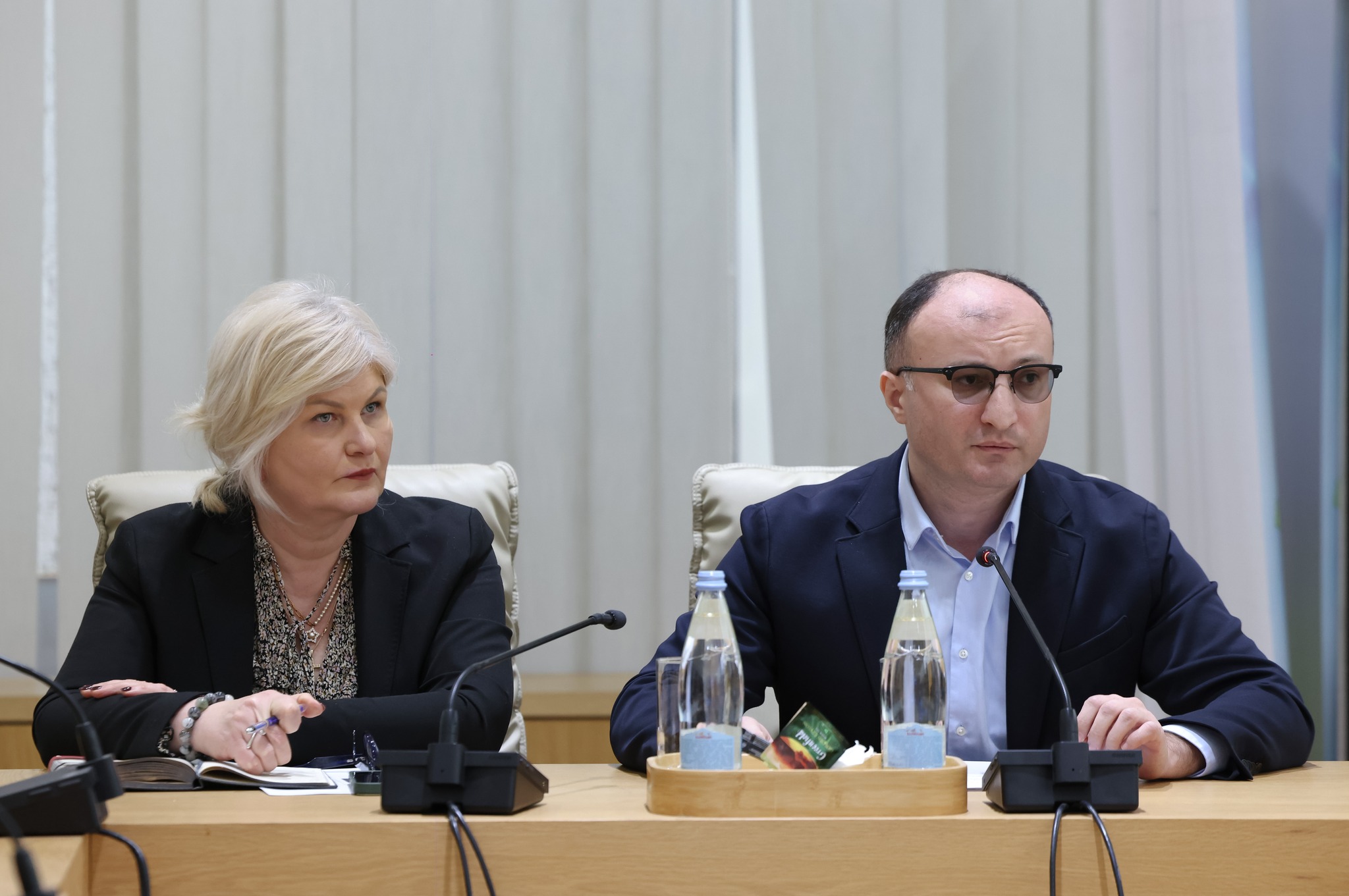
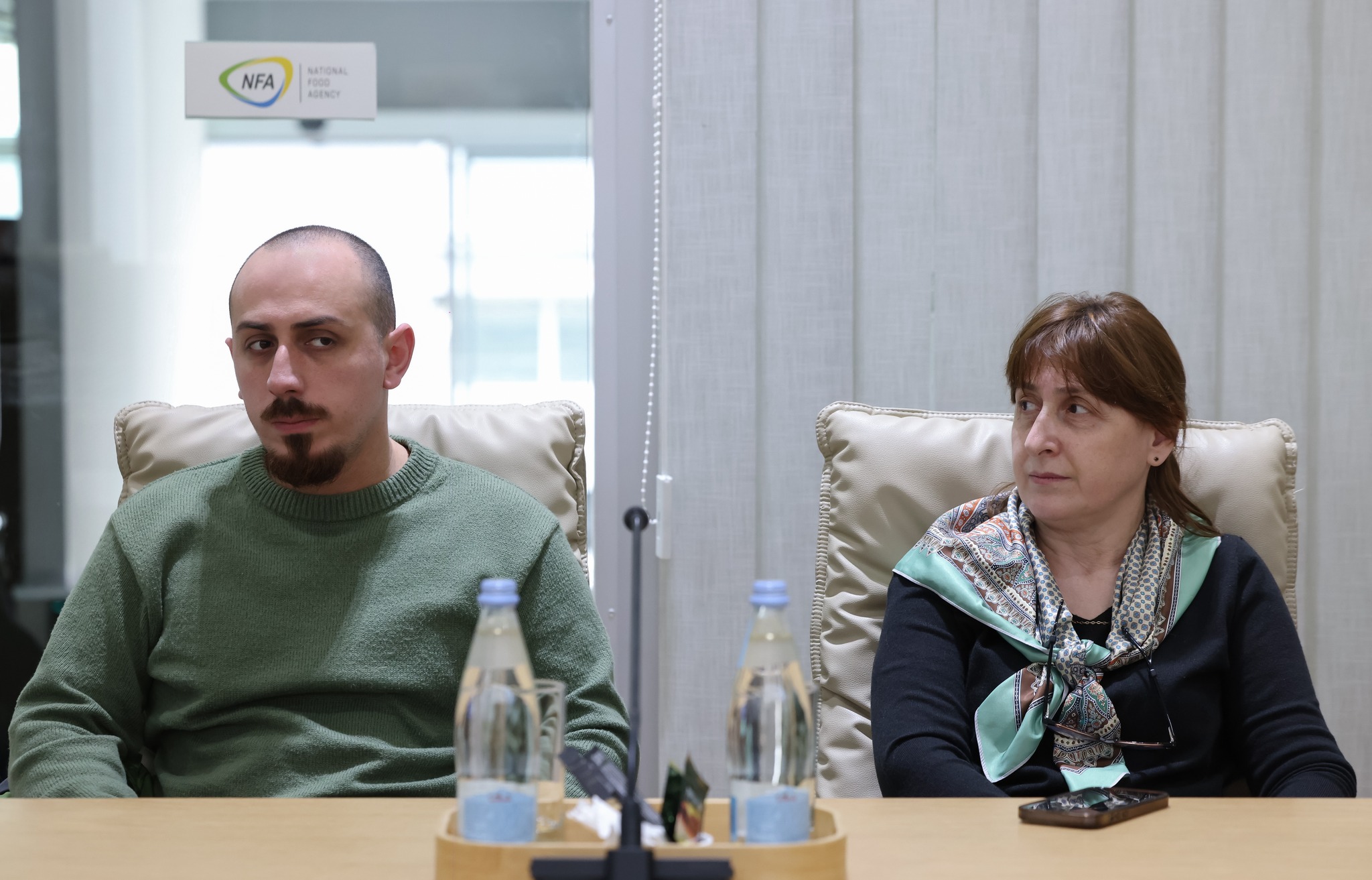
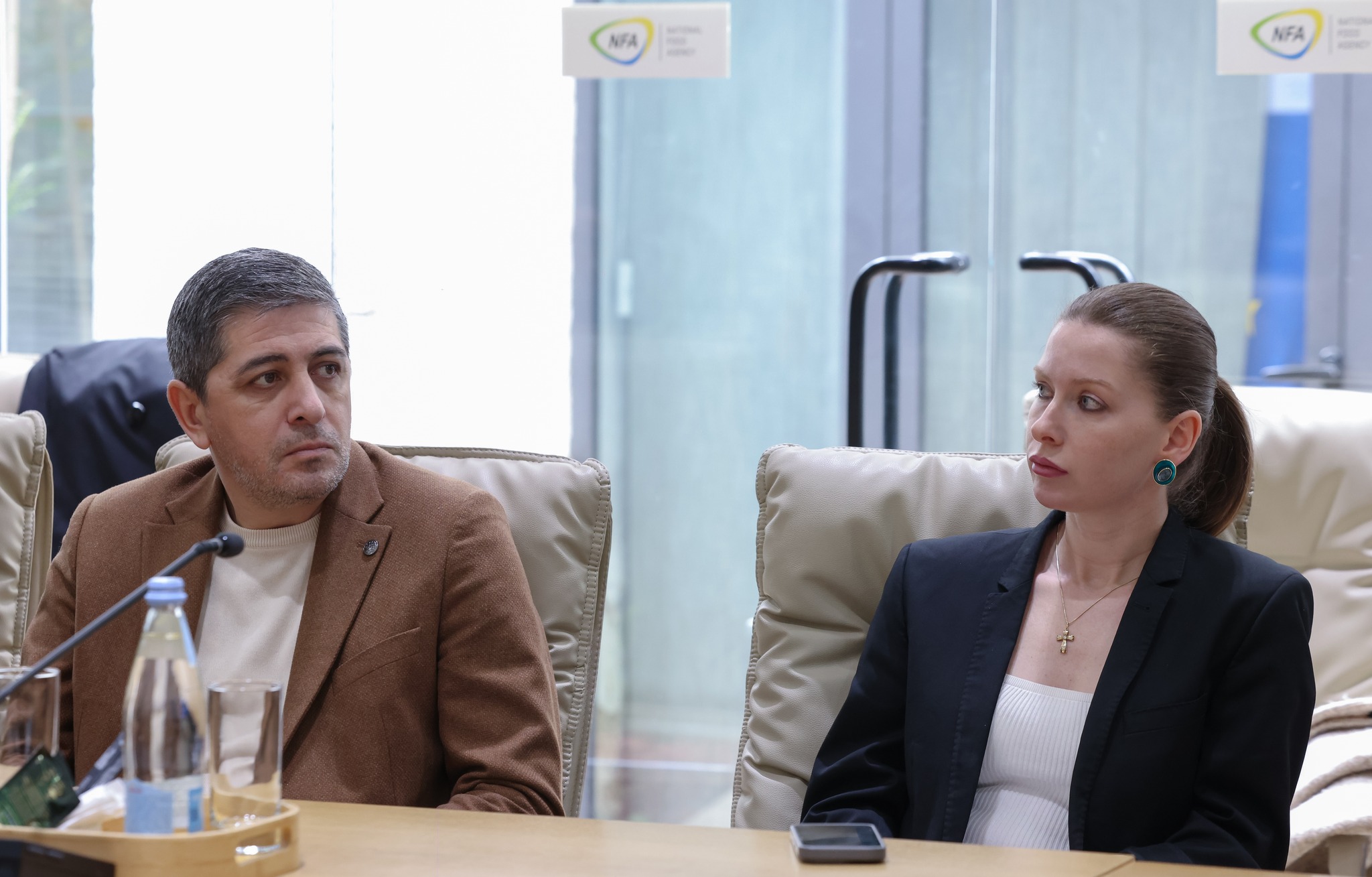
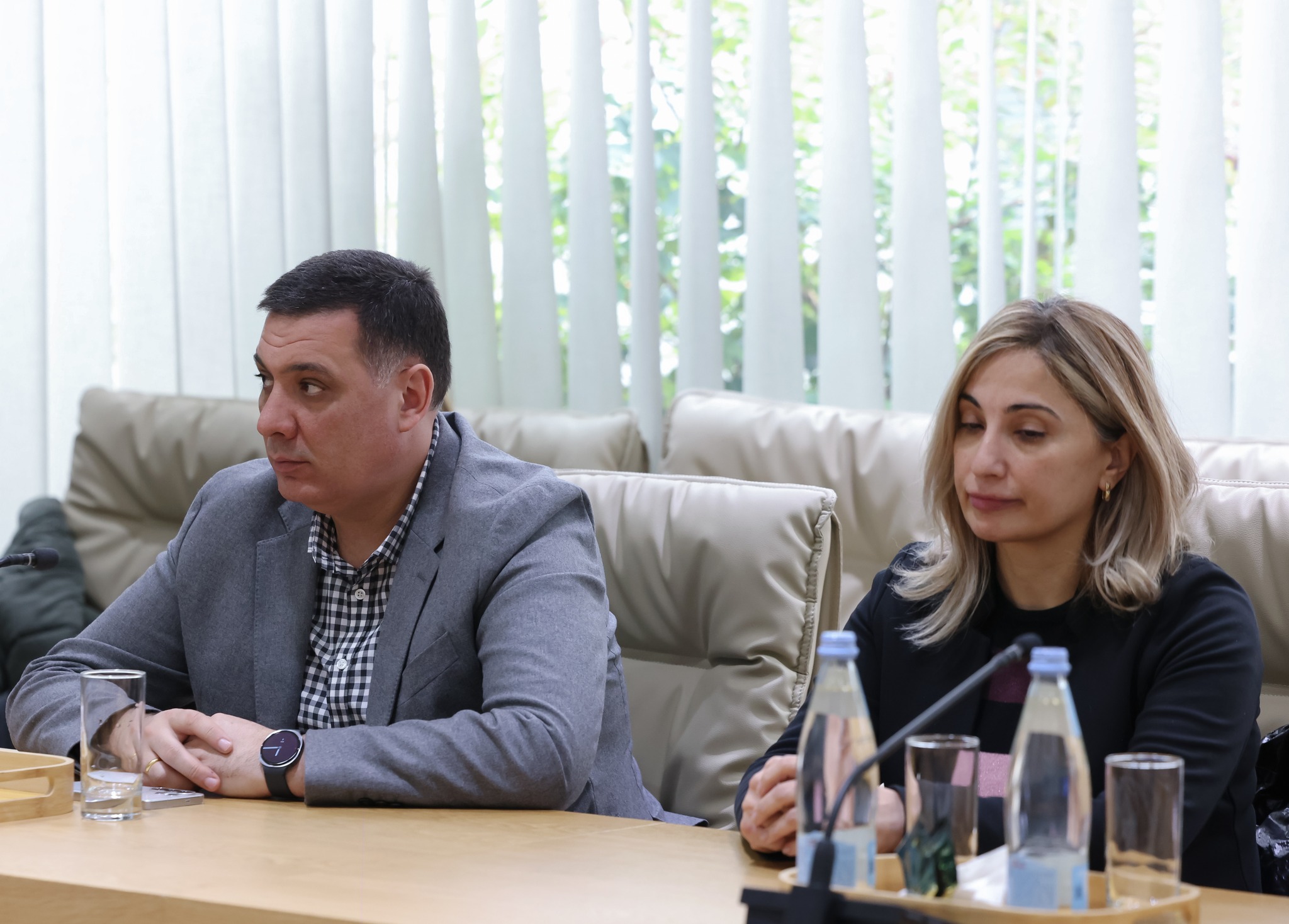
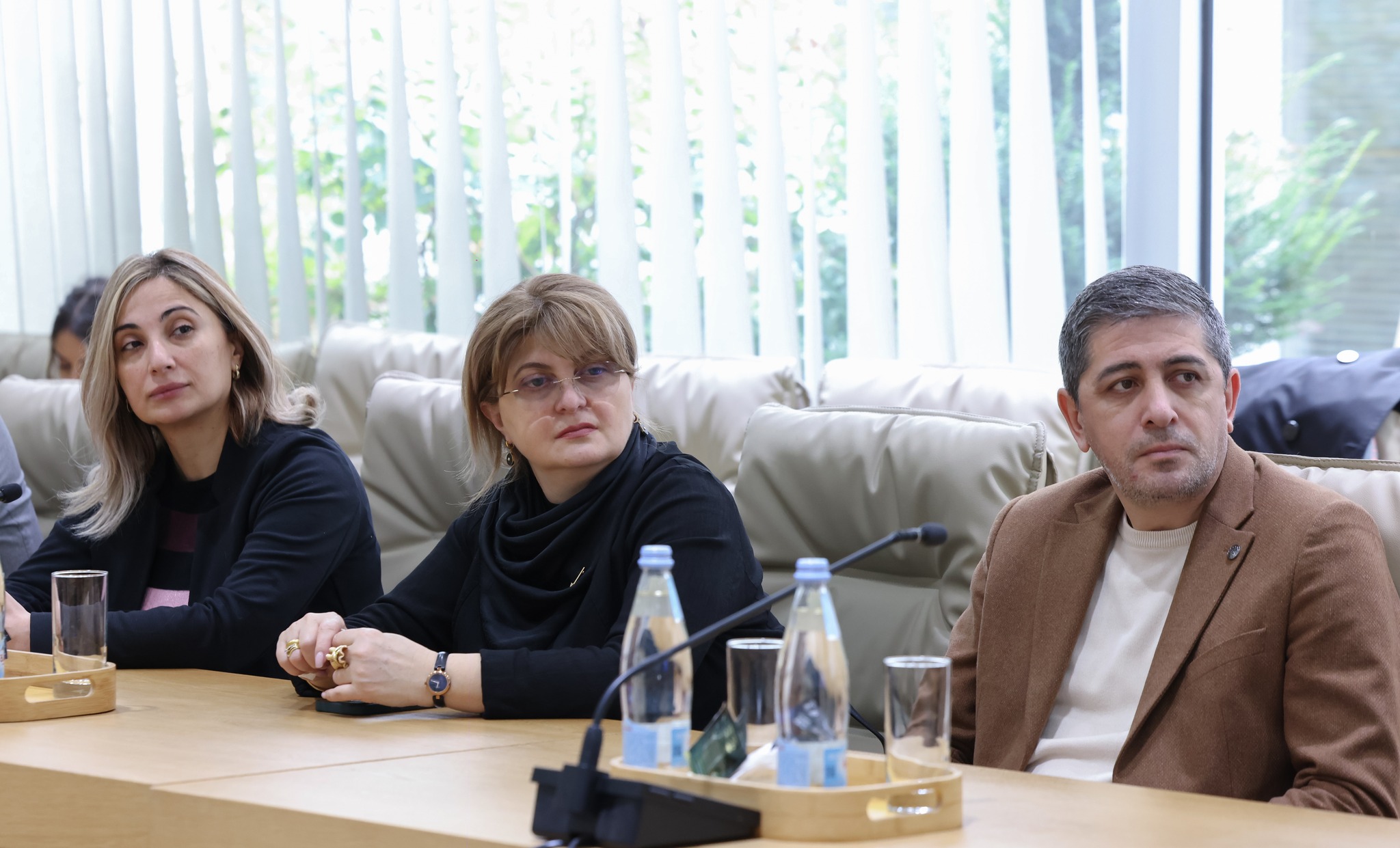
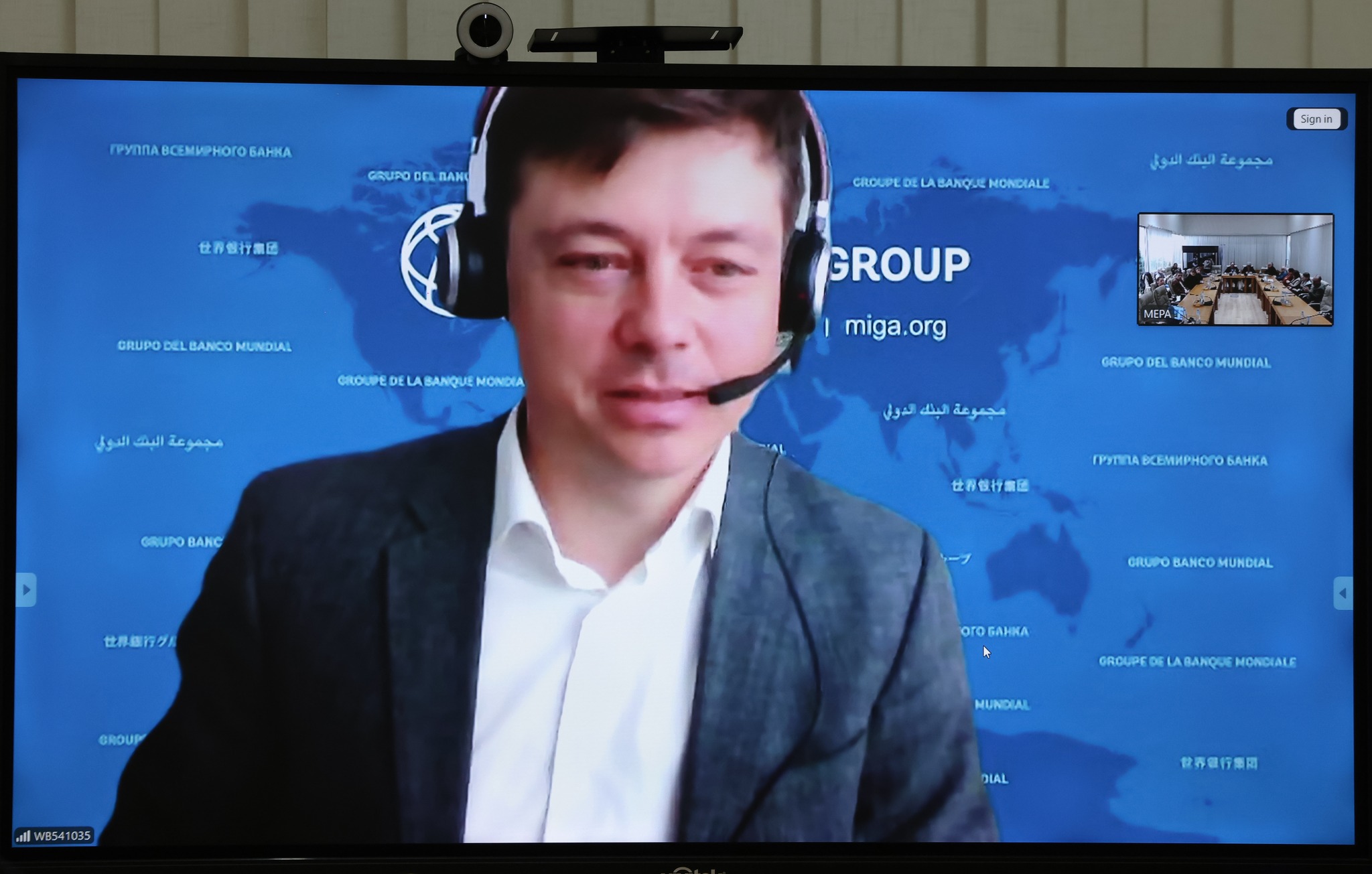
As part of the World Bank’s “Blueing the Black Sea” (BBSEA) program, stakeholders discuss the findings of the second phase of the study on reducing plastic pollution in Georgia.
With the support of the Ministry of Environmental Protection and Agriculture of Georgia and the Regional Environmental Centre for the Caucasus (REC Caucasus), a meeting was held to review the second phase of the study “Reducing Marine Plastic Pollution in Georgia,” implemented under the World Bank’s “Blueing the Black Sea” (BBSEA) program.
During the meeting, the parties focused on the environmental challenges affecting the Black Sea and the ongoing efforts to address them, with particular emphasis on plastic pollution as one of the most pressing threats to the Black Sea ecosystem.
“The study presented today represents a continuation of the work conducted last year, which examined pollution in the Rioni River basin and its tributaries. Additional research was carried out at 13 locations across the country, and the results indicate that plastic pollution levels remain alarmingly high. A particularly large share of the pollution consists of plastic bottles and their fragments, as well as single-use plastic bags. This study once again confirms the importance of the state policy aimed at preventing plastic waste and provides further evidence to support the next steps in this direction,” noted Mr. Lasha Inauri, Head of the Waste and Chemicals Management Policy Department at the Ministry of Environmental Protection and Agriculture of Georgia.
According to Mr. Klaus Sattler, Environmental Specialist at the World Bank, Georgia has made significant progress in developing a legislative framework to combat plastic pollution, positioning itself as a regional leader and model for others.
‘’In recent years, we have made substantial progress in gaining a better understanding of the scale of plastic pollution and promoting the adoption of circular approaches. The Ministry has taken important legislative steps to address identified needs and regulate the use of certain types of plastics. Global experience demonstrates that a robust legal framework is essential for fostering the active participation of the private sector. Georgia is demonstrating significant progress in this area and is emerging as a regional leader. Its experience could serve as an example for other countries as well,” Mr. Klaus Sattler stated.
According to the study “Reducing Marine Plastic Pollution in Georgia,” flooding events often carry accumulated river waste into the sea, further worsening the state of the Black Sea ecosystem and threatening biodiversity.
The study also includes recommendations focused on preventive measures and improving waste management practices in line with international standards.
The “Blueing the Black Sea” program aims to establish a common regional framework for the sustainable management of the Black Sea. The initiative focuses on reducing marine pollution, restoring ecosystems, promoting sustainable fisheries and aquaculture, supporting the development of the blue economy and blue jobs, and strengthening regional cooperation.
The program is implemented in cooperation with the Governments of Bulgaria, Georgia, Moldova, Romania, Turkey, and Ukraine, with the active involvement of the Black Sea Commission (BSC), the Black Sea Economic Cooperation (BSEC), the Common Maritime Agenda for the Black Sea (CMA), and the European Commission (EC).