
News
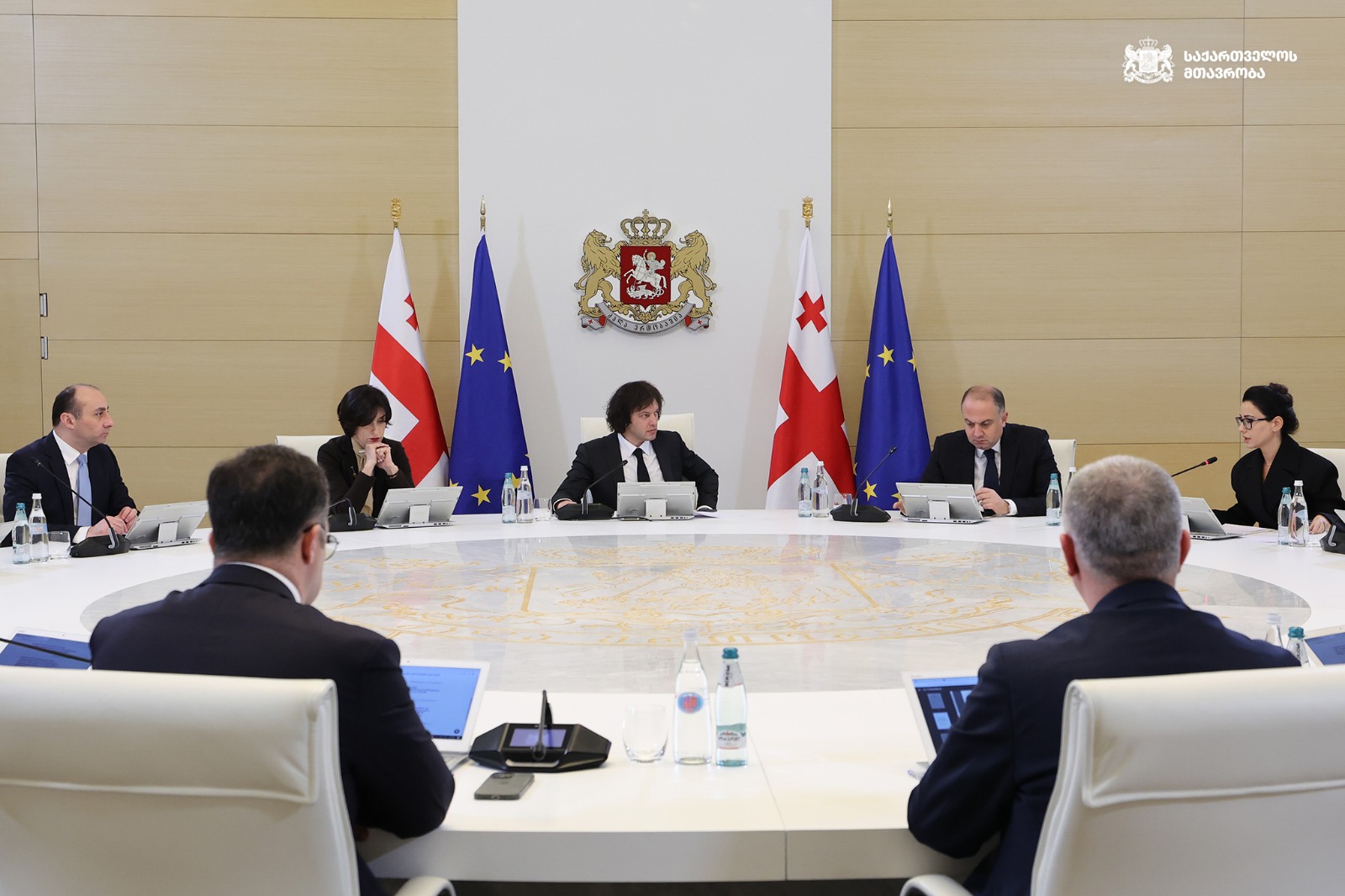
The Government Has Adopted a Resolution on the Gradual Ban of Certain Plastic Products Intended for Food Contact
Today, at the Government session, a resolution “On the Prohibition of the Production, Import, and Placement on the Market of Certain Plastic Products Intended for Contact with Food” was adopted.The resolution provides for the gradual prohibition of the production (except for export purposes), import, and marketing of beverages packaged in plastic bottles. From July 1, 2026, public catering establishments will be prohibited from supplying beverages to consumers in plastic bottles. Furthermore, from February 1, 2027, the production (except for export purposes), import, and placement on the market of beverages in plastic bottles will be prohibited.
The resolution also includes several exceptions. In particular, the ban will not apply to drinking water in containers of 3 litres or more, as well as beverages in containers of 20 litres or more (including non-alcoholic drinks, alcoholic beverages, soft drinks, and others).
An additional exemption applies to the production and supply of drinking water intended for the Ministry of Internal Affairs of Georgia, the Defence Forces of Georgia, and military personnel.
The adoption of the resolution was prompted by several considerations. Plastic products, including those intended for contact with food, have a significant impact on the environment and natural ecosystems. The decomposition of plastic materials may take hundreds of years, during which plastic accumulates in soil, rivers, lakes, and seas, damages sanitation systems, and reduces soil fertility. Ultimately, this leads to a decline in biodiversity and the disruption of ecological balance.
Several studies have been conducted nationwide to diagnose plastic pollution. According to the results, approximately 88% of waste found in rivers consists of plastic, with the majority coming from single-use plastic products. Among these, plastic bottles account for about 41%.