
News
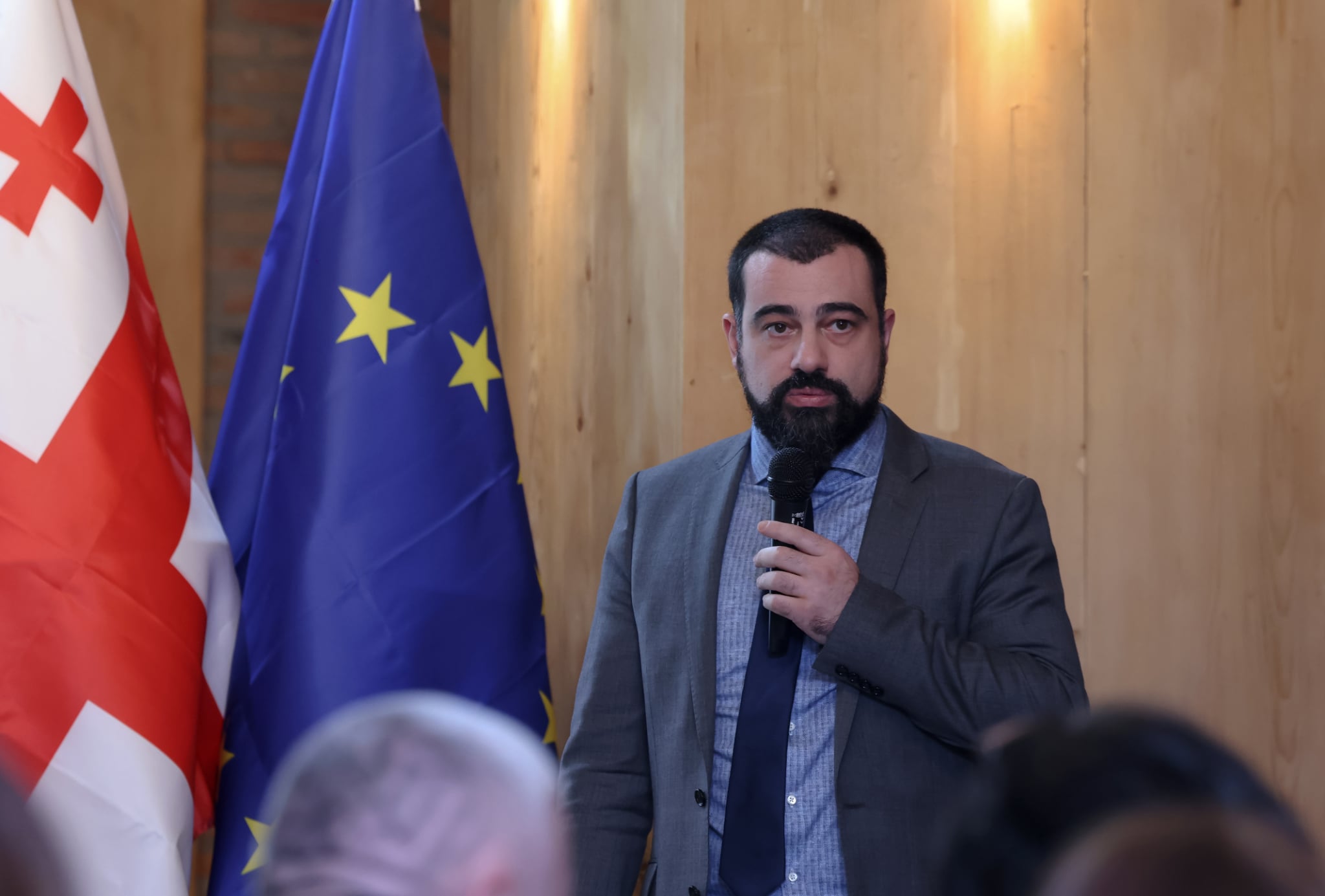
Lasha Avaliani: “Taken dogs will be gradually returned to their original locations. Out of the 57 dogs taken yesterday, 28 have already been returned. These dogs did not require sterilization or castration and were only vaccinated”
The Deputy Minister discussed a large-scale program for managing both stray and owned animals, highlighting that field teams will be met on-site by relevant stakeholders, animals will undergo assessments, and veterinarians will be actively involved in this process, which had not previously been possible due to limited resources.
“All sterilized dogs with caretakers will be vaccinated on-site and their condition assessed, while unidentified and non-sterilized animals will be transported, with their numbers made known to all interested parties, who will be informed, according to a set schedule, about the return of these animals, ensuring full transparency on how many were taken and how many were returned. As demonstrated in the case of the town of Zugdidi, by tomorrow all concerned individuals will have confirmed information that all 57 dogs have been gradually returned to their original locations,” Mr. Avaliani stated.
The Deputy Minister also emphasized the responsibility of pet owners.
“During the current year, a certain number of animals will be sterilized and castrated across the regions. From next year, however, this responsibility will fall on the pet owners themselves. Through this approach, we will inform pet owners, who, unfortunately, represent one of the sources contributing to the increase in stray animal populations. Notably, within the program (which also included mass vaccination against rabies), owned animals will be identified. According to preliminary data, approximately 102,000 animals will undergo identification, which is a highly impressive and ambitious plan,” Mr. Lasha Avaliani stated.