
News

David Songulashvili: “Our land, which has preserved the unique tradition of vine and wine culture for centuries, can now be definitively recognised as the homeland of bread as well”
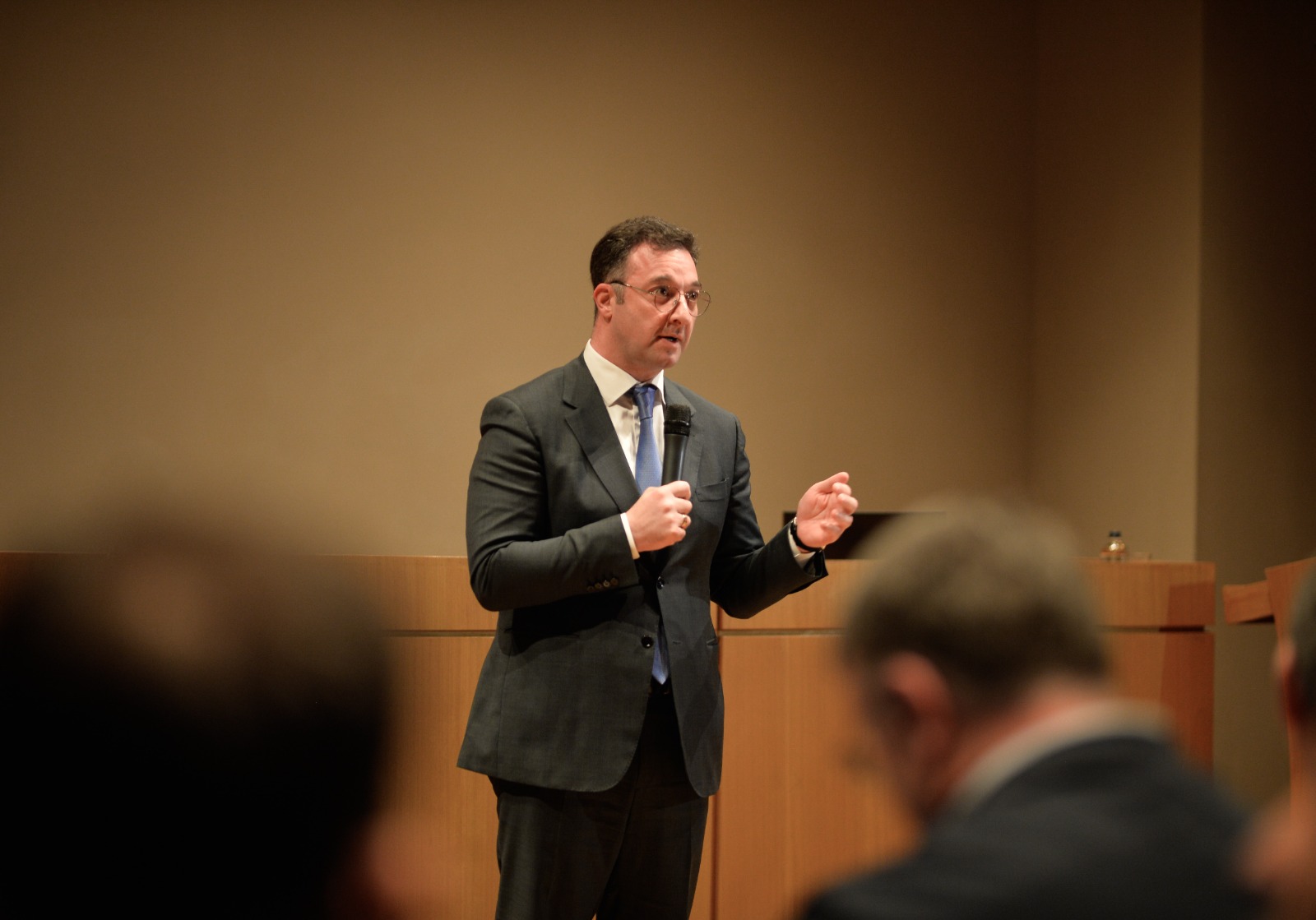
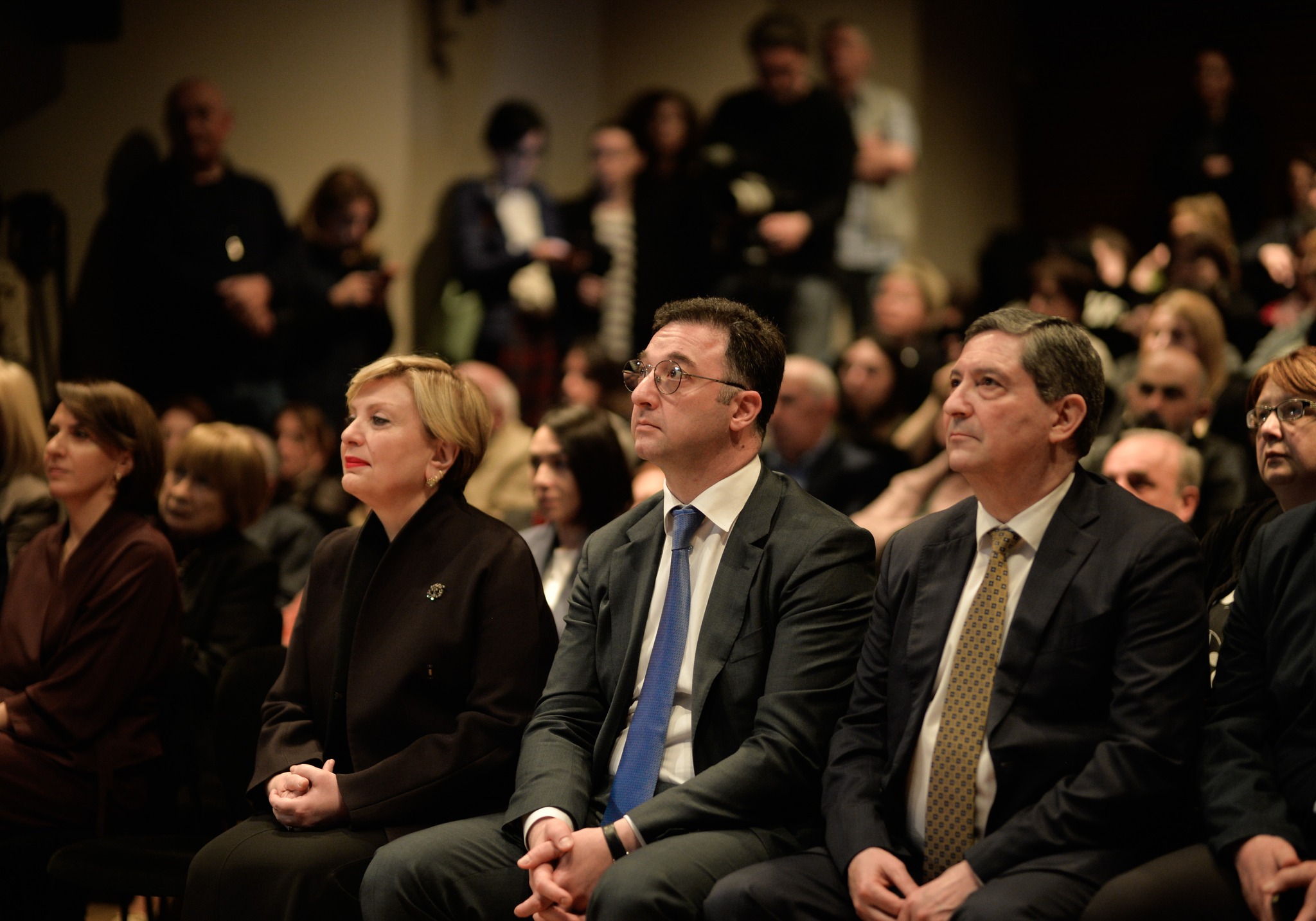
The Minister of Environmental Protection and Agriculture, Mr David Songulashvili, together with Deputy Minister Mr Lasha Dolidze, Minister of Culture Mrs Tinatin Rukhadze, and Chair of the Parliamentary Committee on Agriculture Mr Gela Samkharauli, attended the presentation of a study published in the Proceedings of the National Academy of Sciences (PNAS) titled “The South Caucasus, Georgia, as an Independent Centre of Bread Wheat Origin in the Neolithic Period.”The study confirms that Georgia represents an independent and, to date, the earliest scientifically documented centre of origin of bread wheat (Triticum aestivum).
“Our land, which for centuries has preserved the unique tradition of vine and wine culture, can now be definitively recognised as the homeland of bread as well. The primary value of this discovery lies in its precise scientific dating. The study provides robust scientific evidence that the cultures of bread and wine in Georgia emerged simultaneously, developed continuously, and spread globally.
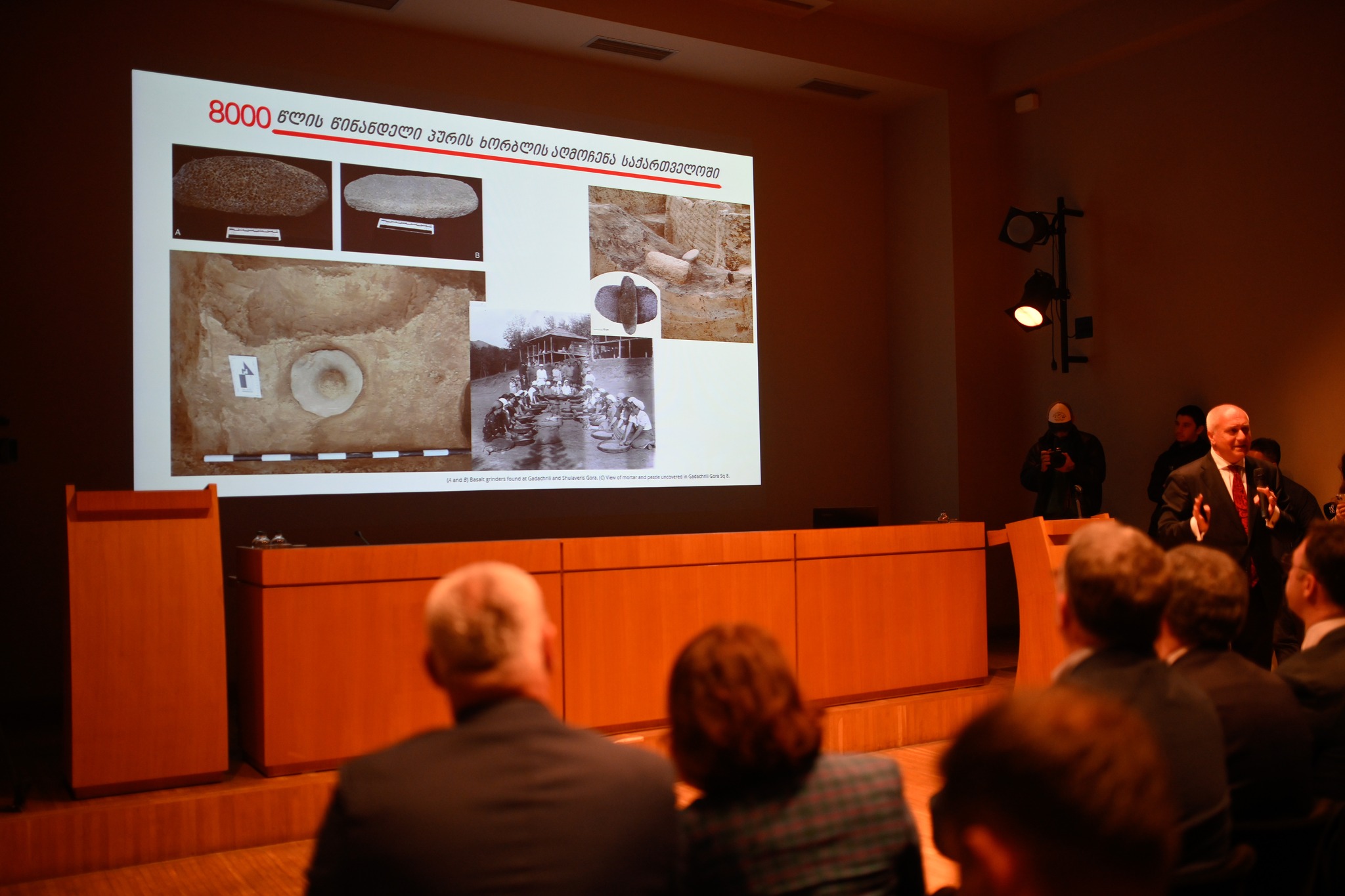
As this remarkable process evolved, it has also been confirmed that five of the world’s known wheat species are endemic to Georgia. Our task is to transform this 8,000-year continuous heritage into a modern, competitive agricultural sector. The Ministry, the Scientific-Research Centre, and the Ministry of Culture are working intensively to further study Georgia’s agricultural resources, identify new directions, and demonstrate to the world that this small country is a centre of great agricultural heritage,” said Mr David Songulashvili.
Notably, the article is based on an international multidisciplinary study led by Academician David Lordkipanidze, drawing on 8,000-year-old archaeological materials discovered at the sites of Gadachrili Gora and Shulaveris Gora in Georgia, as well as on the extensive scientific research of paleobotanist Professor Nana Rusishvili.
The international multidisciplinary research was carried out within the framework of the project “Research and Promotion of Wine and Vine,” supported by the Ministry of Culture of Georgia and the National Wine Agency, with the involvement of the University of Toronto, the Weizmann Institute, and the Society “Iveria.”