
News
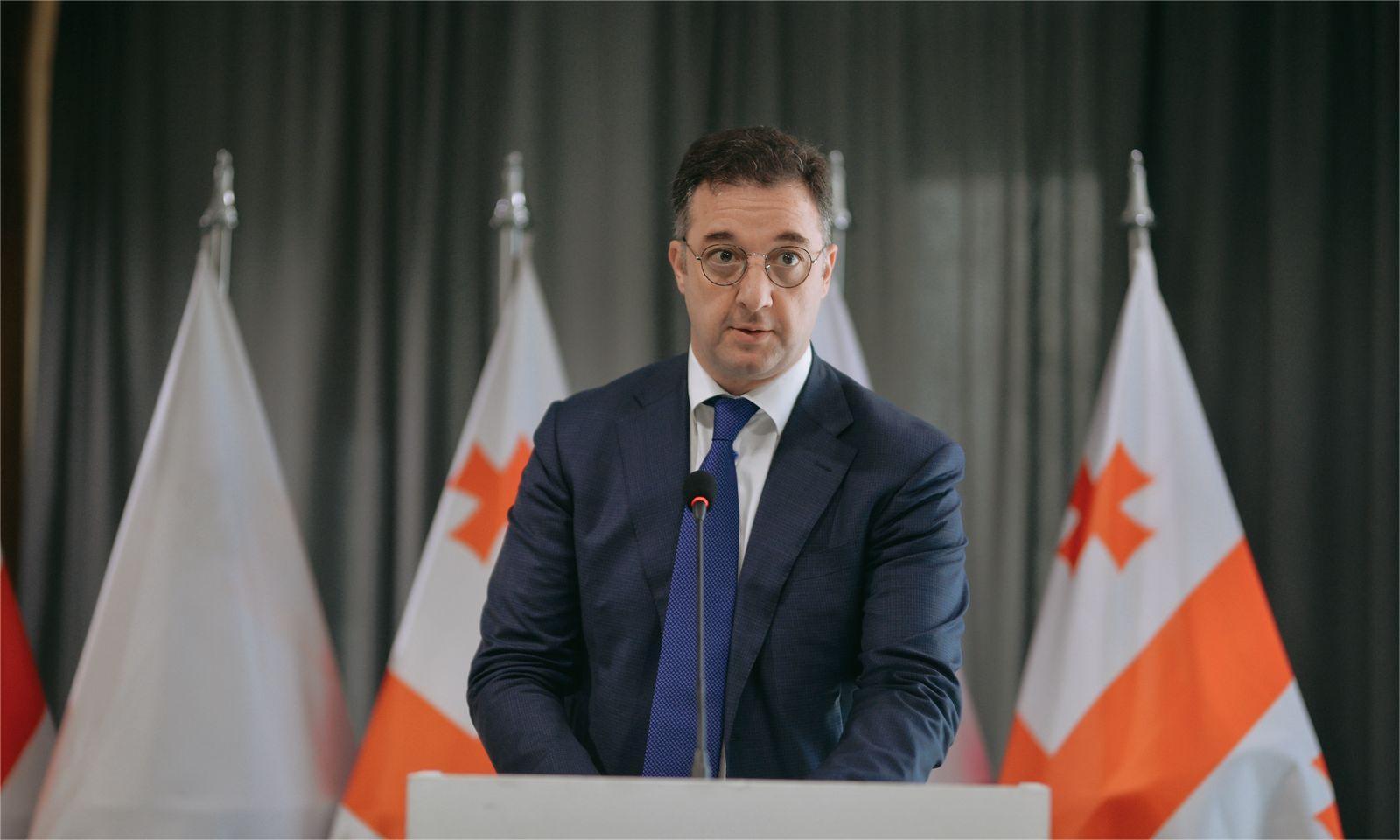
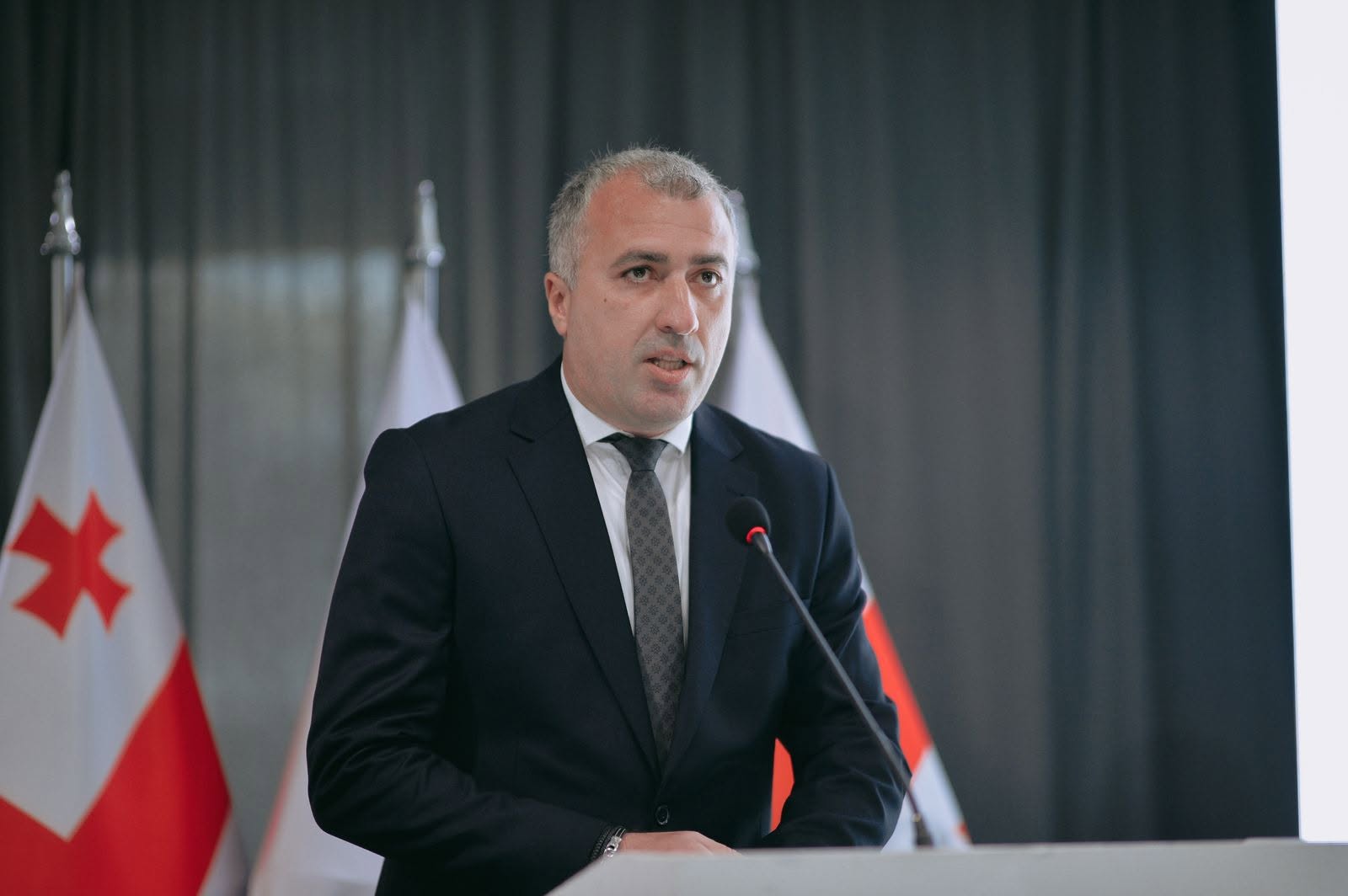
David Songulashvili: “Our objective is to provide farmers with a safe and supportive production environment, ensure food safety for consumers, and further enhance the trust, reputation, and competitiveness of Georgian agri-food products in international markets”
Mr David Songulashvili, Minister of Environmental Protection and Agriculture of Georgia, delivered opening remarks at the scientific conference ‘Climatic Conditions – Challenges in Plant Protection’, organised by the National Food Agency of Georgia.In his speech, the Minister highlighted the growing risks posed by the spread of plant pests and diseases amid climate change, emphasising that developing a strong, effective phytosanitary system is essential to addressing contemporary challenges.
“Plant pests and diseases are responsible for the loss of 20–40 per cent of global agricultural production each year, further underscoring the importance of effective phytosanitary systems. Our objective is to provide farmers with a safe environment, ensure that consumers receive safe, high-quality food products, and strengthen the credibility of Georgian agri-food products in international markets. For this reason, the state actively supports the implementation of programs aiming to improve phytosanitary processes. I am confident that, through the joint efforts of the government and our international partners, we will establish an even stronger, more modern, and efficient phytosanitary system capable of responding effectively to existing and emerging challenges,” stated Mr David Songulashvili.
During the working sessions, participants discussed the timely implementation of plant protection measures, the efficient and targeted use of pesticides, and approaches to managing phytosanitary risks under changing climatic conditions.
The conference also featured a professional discussion focused on comprehensive measures to strengthen the plant protection system and support the sustainable development of the agricultural sector in the face of climate-related challenges.
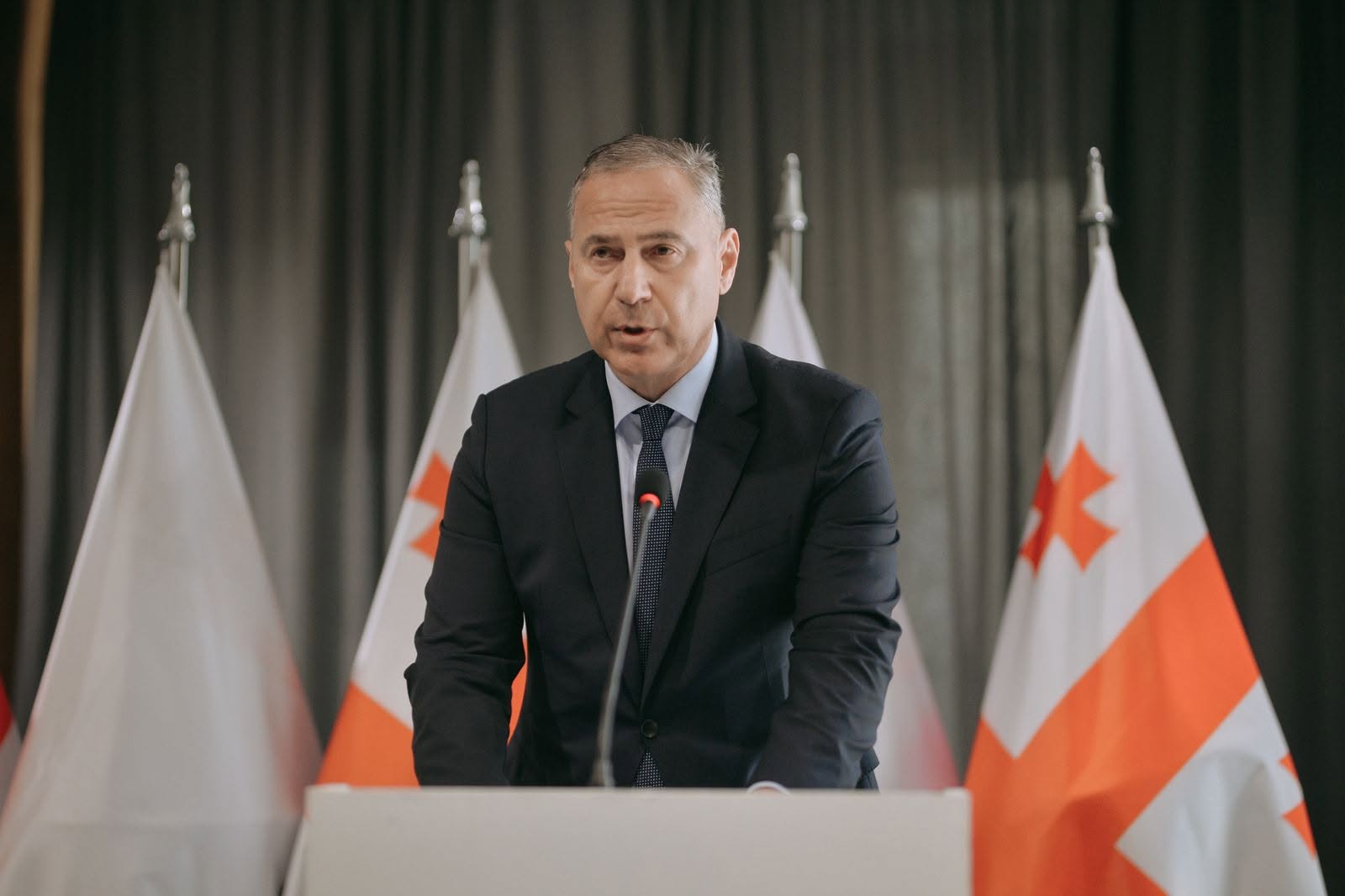
Mr Giorgi Iakobashvili, Head of the National Food Agency, addressed the conference participants and provided an overview of ongoing state plant protection programs, achievements in combating harmful organisms, and current challenges in the sector.
Notably, Georgia has been a member of the International Plant Protection Convention (IPPC) since 2007 and joined the European and Mediterranean Plant Protection Organisation (EPPO) in 2016. Membership in these organisations provides access to international standards and facilitates their implementation at the national level.
Within the framework of the EU–Georgia Association Agreement, Georgia is actively harmonising its phytosanitary legislation with European regulations. Nearly 80 normative acts in the field of plant protection are currently being incorporated into national legislation, contributing to the strengthening of the country’s phytosanitary system and the facilitation of international trade.
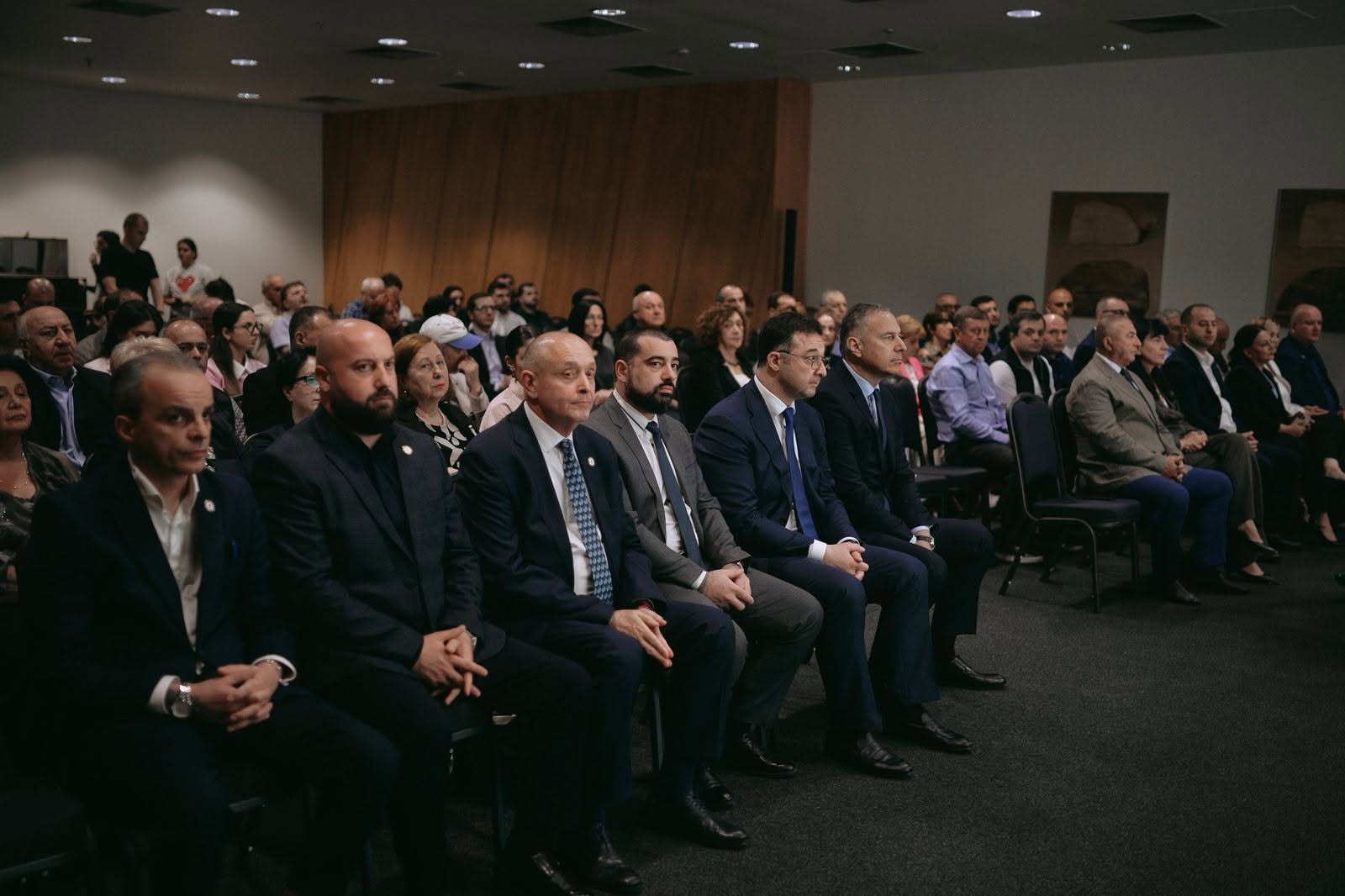
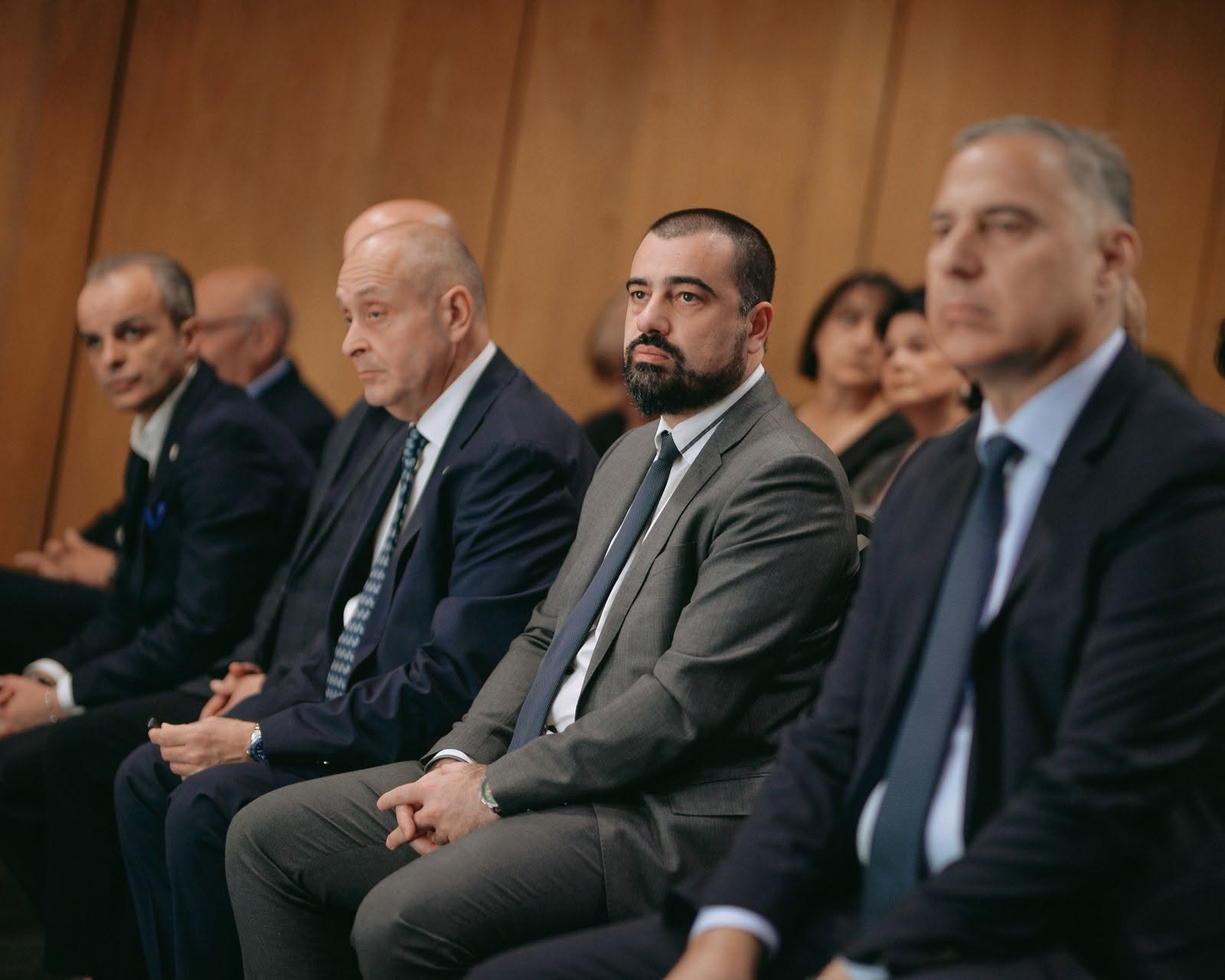
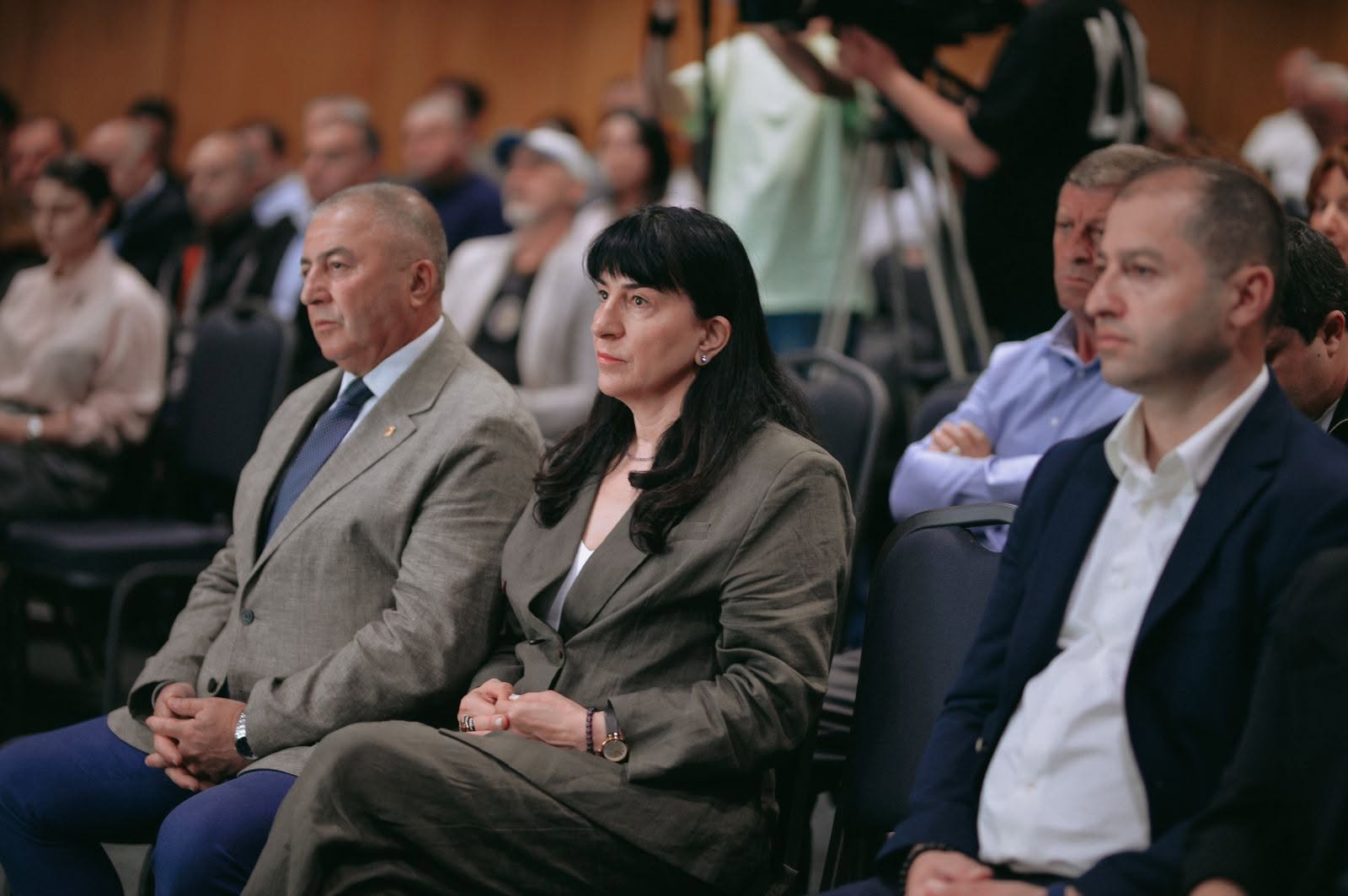
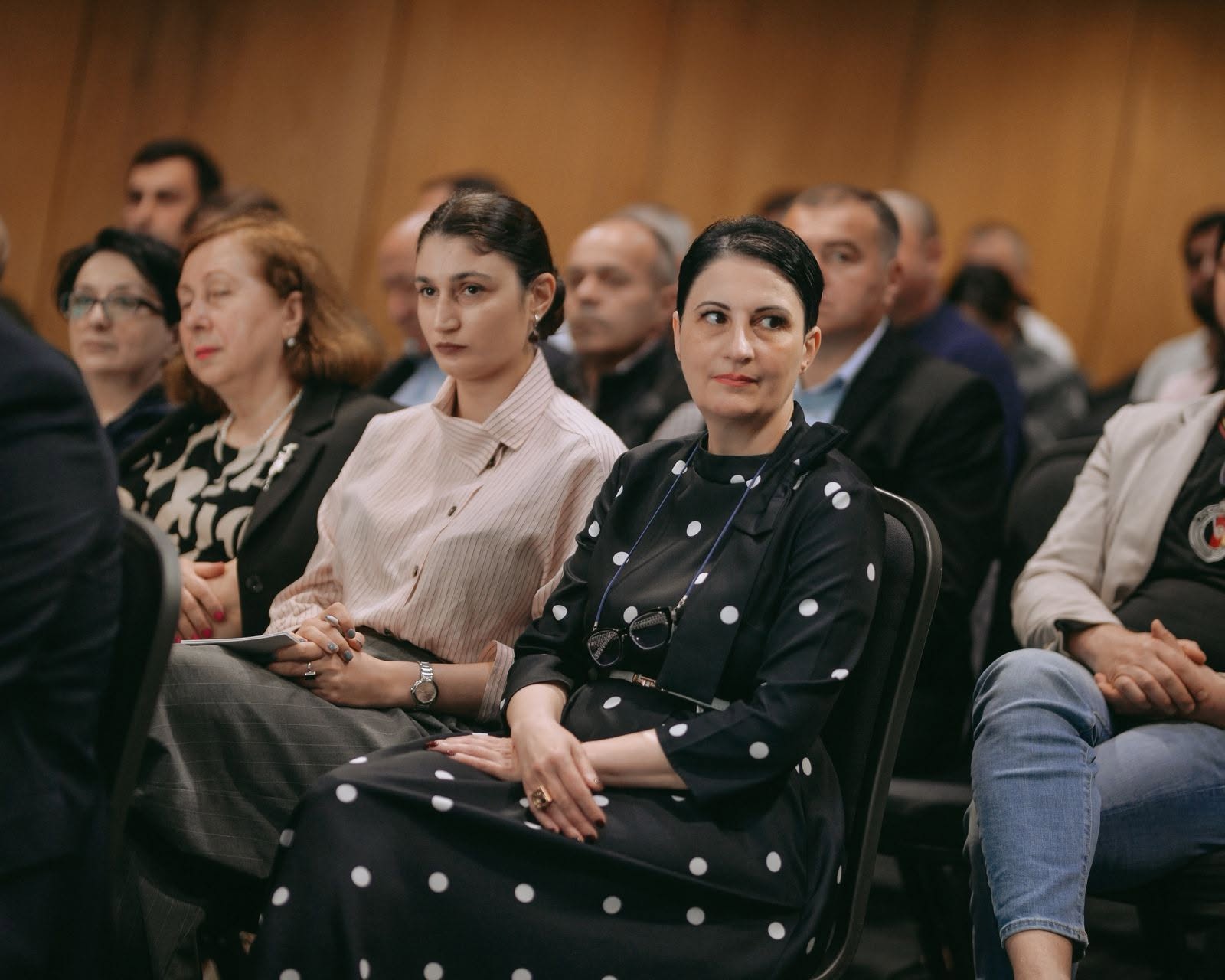
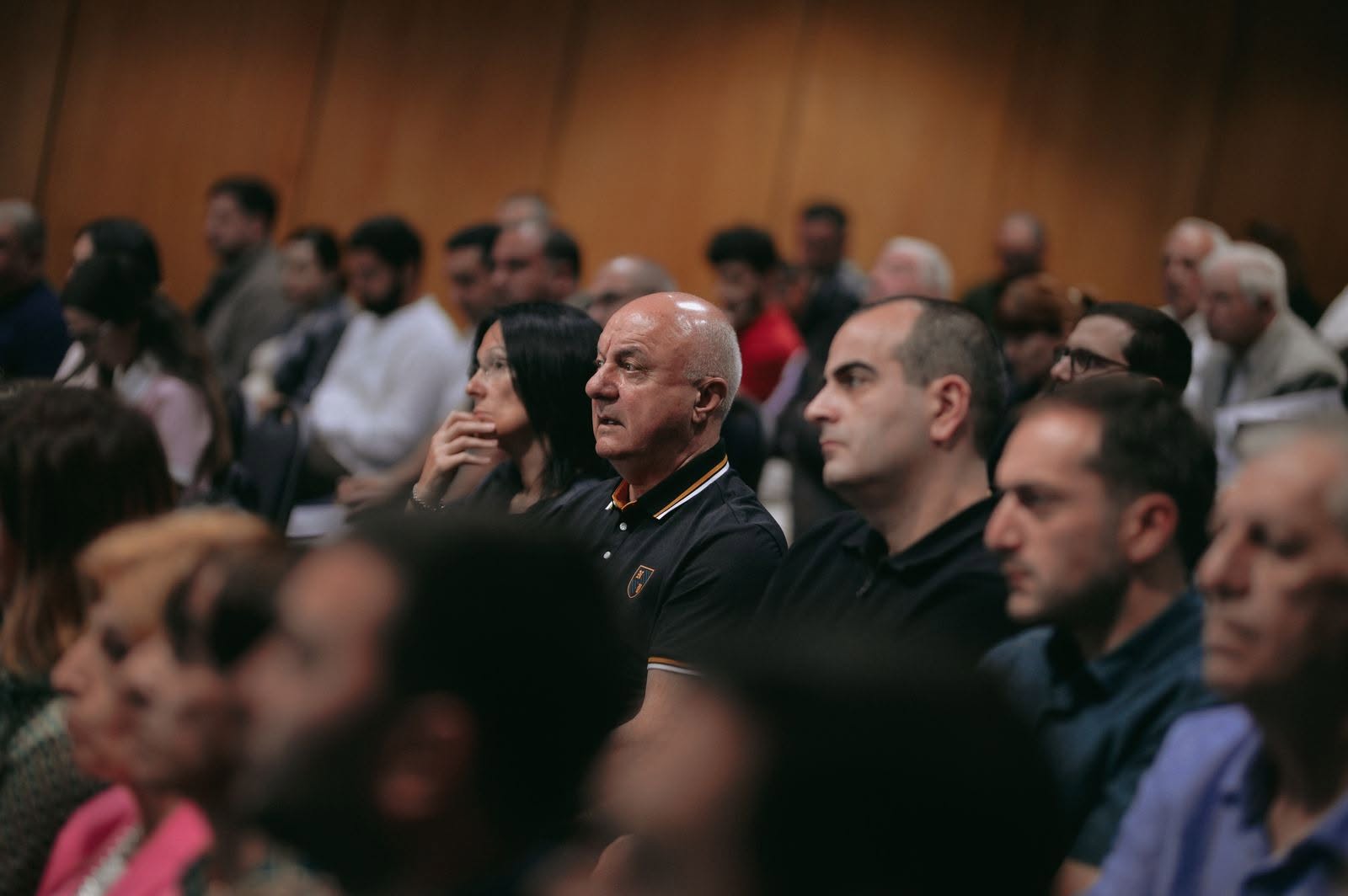
Mr Lasha Avaliani, Deputy Minister of Environmental Protection and Agriculture, as well as representatives of sectoral associations, scientists, agricultural experts, and farmers, attended the conference.