
News
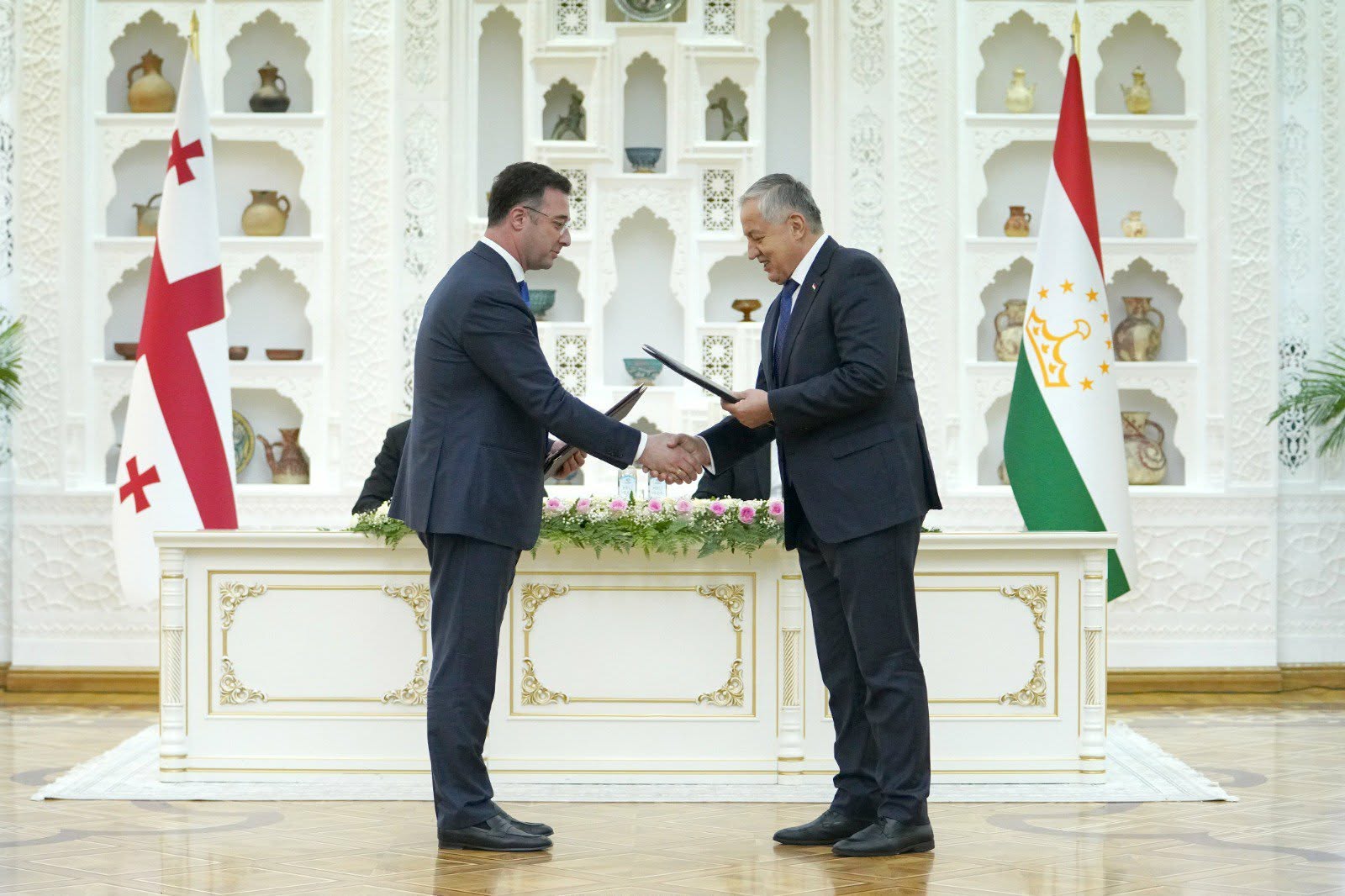
A Memorandum of Understanding on cooperation in climate change mitigation has been signed between Georgia and Tajikistan
The Minister of Environmental Protection and Agriculture of Georgia, Mr David Songulashvili, together with the Prime Minister of Georgia, Mr Irakli Kobakhidze, and members of the Government, is paying an official visit to the Republic of Tajikistan.During the visit, the Minister of Environmental Protection and Agriculture of Georgia, Mr David Songulashvili, and the Minister of Foreign Affairs of the Republic of Tajikistan, Mr Sirojiddin Muhriddin, signed a Memorandum of Understanding on cooperation in climate change vulnerability, risk assessment, adaptation, and mitigation.
"Coordinated action against climate-related natural hazards is particularly important in environmental protection. We speak about the need to strengthen coordinated cooperation to ensure that the impacts of climate change are effectively addressed through pre-planned response mechanisms, as well as the importance of sharing experience and best practices to improve environmental management in both countries,’’ stated Mr Songulashvili.
The Memorandum aims to strengthen and coordinate efforts to combat global climate change and mitigate its adverse effects, support regional vulnerability and risk assessment mechanisms, promote energy-efficient projects, and encourage economic and technological transformation toward low-emission development.
The Agreement provides cooperation in assessing the impacts of climate change, implementing and monitoring Nationally Determined Contributions (NDCs), strengthening capacities under the United Nations Framework Convention on Climate Change, promoting the sustainable use of natural resources, and developing a low-carbon economy.
Furthermore, the document includes cooperation to promote energy efficiency and renewable energy, strengthen climate adaptation capacities, enhance environmental education and public awareness, reduce disaster risk, and develop hydrometeorological and early warning systems.
The parties noted that the signing of the Memorandum will facilitate the exchange of knowledge, experience, and best practices, the implementation of joint projects, and the strengthening of cooperation in fulfilling international commitments.