
News
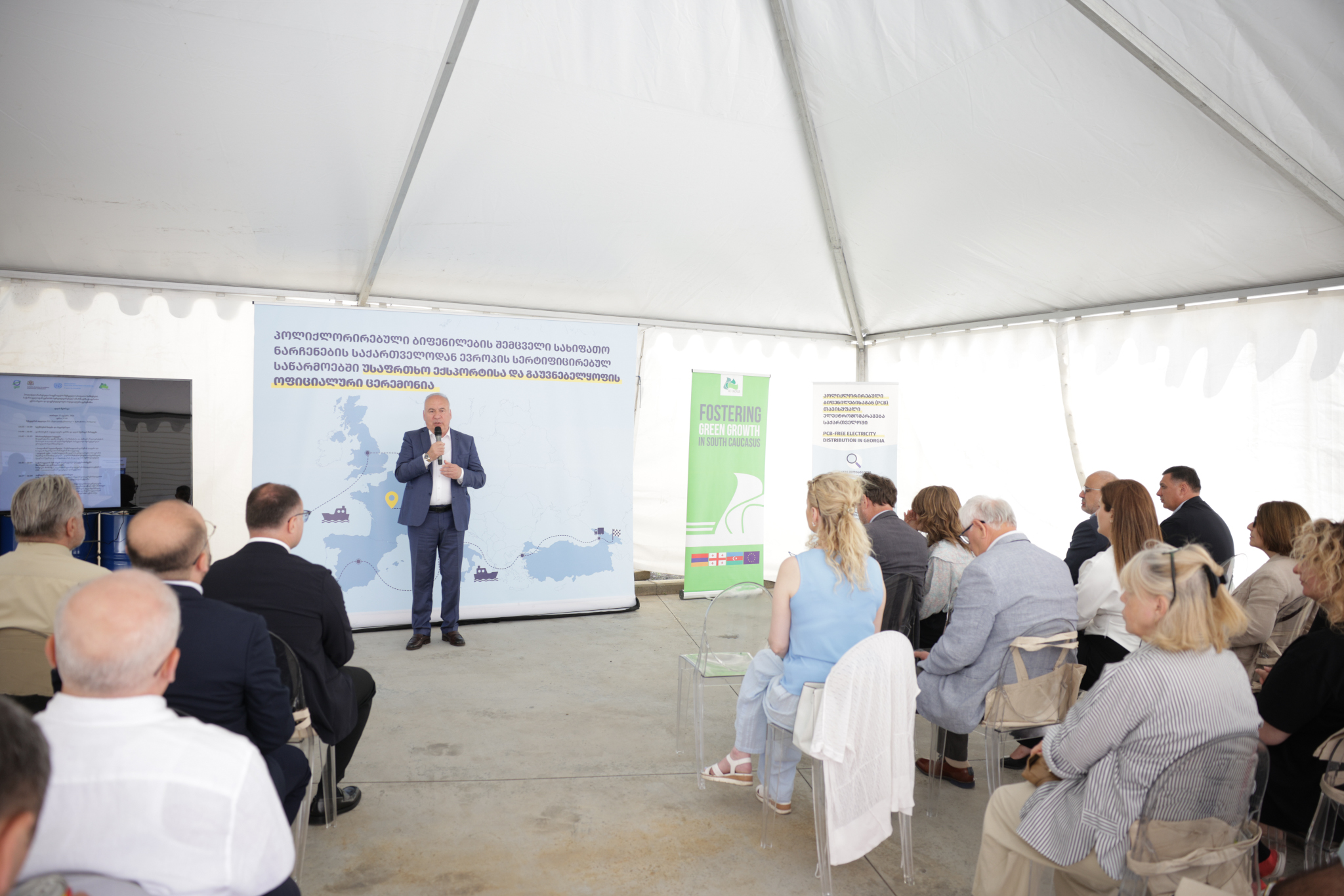
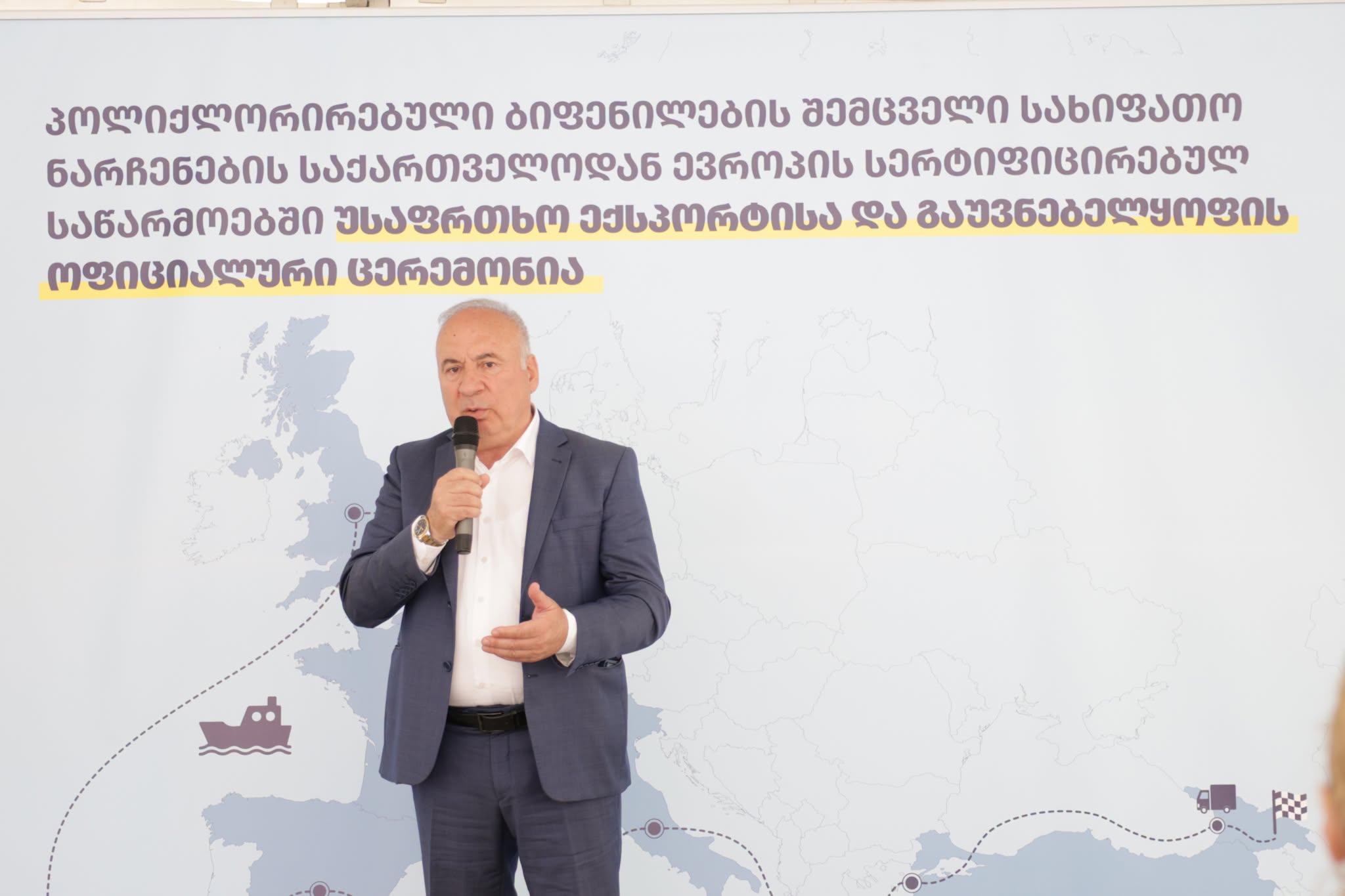
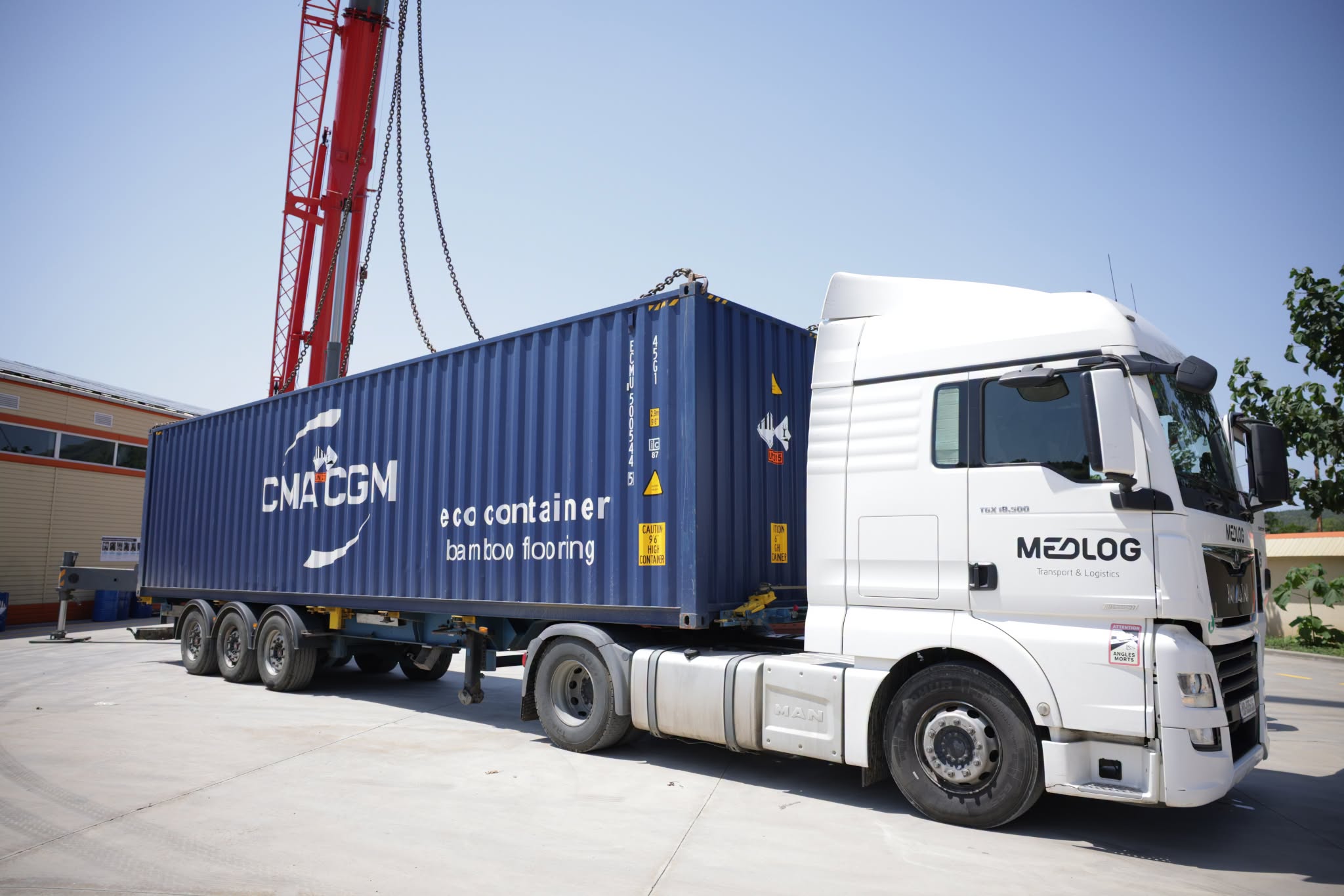
Approximately 160 Tonnes of PCB-Contaminated Hazardous Waste Exported from Georgia to Europe for Final Environmentally Sound Disposal.
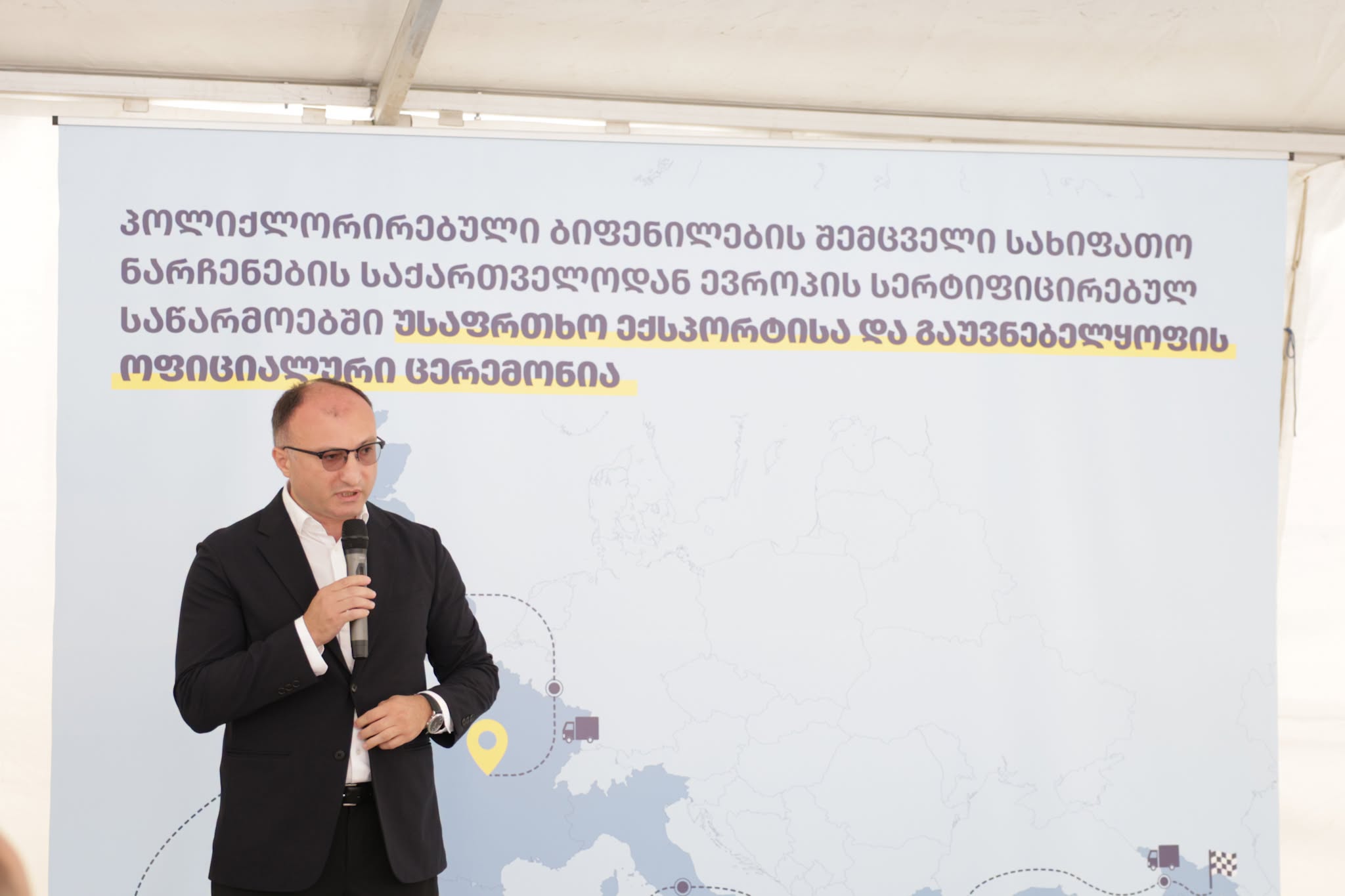
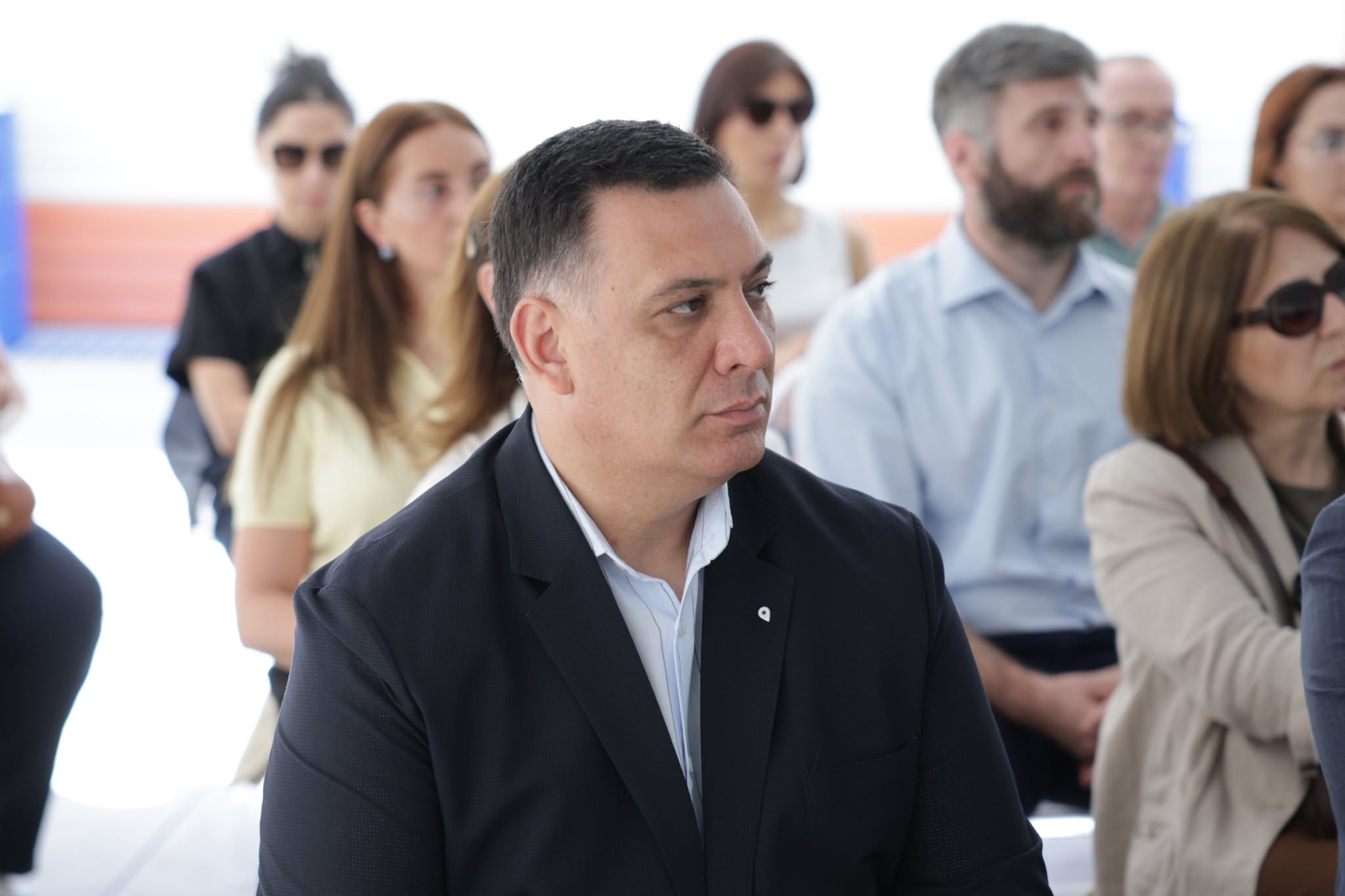
The Deputy Minister of Environmental Protection and Agriculture of Georgia, Mr Solomon Pavliashvili, along with the Acting United Nations Resident Coordinator in Georgia, Mr Douglas Webb, and the Executive Director of the Regional Environmental Centre for the Caucasus, Mrs Sopio Akhobadze, attended the final preparations for the safe export of hazardous waste containing polychlorinated biphenyls (PCBs) from Georgia to Europe for environmentally sound final disposal.
As part of the project "PCB-Free Power Supply in Georgia," approximately 160 tonnes of hazardous PCB-containing waste were safely packaged, documented, and prepared for transportation in full compliance with international requirements. The waste will be transported to Europe, where it will undergo final disposal using environmentally sound treatment technologies.
"This project clearly demonstrates how the Government of Georgia is fulfilling its international commitments. Implemented under the Stockholm Convention, the initiative is a clear example of how political will, scientific expertise, and international partnership can be combined to achieve meaningful environmental outcomes. Georgia continues to strengthen its hazardous waste management system. To this end, we are implementing a new National Hazardous Waste Management Strategy, which envisages the construction of a new hazardous waste disposal facility. We are working closely with the World Bank on this initiative, and the location of the facility will be determined in the near future," stated the Deputy Minister, Mr Solomon Pavliashvili.
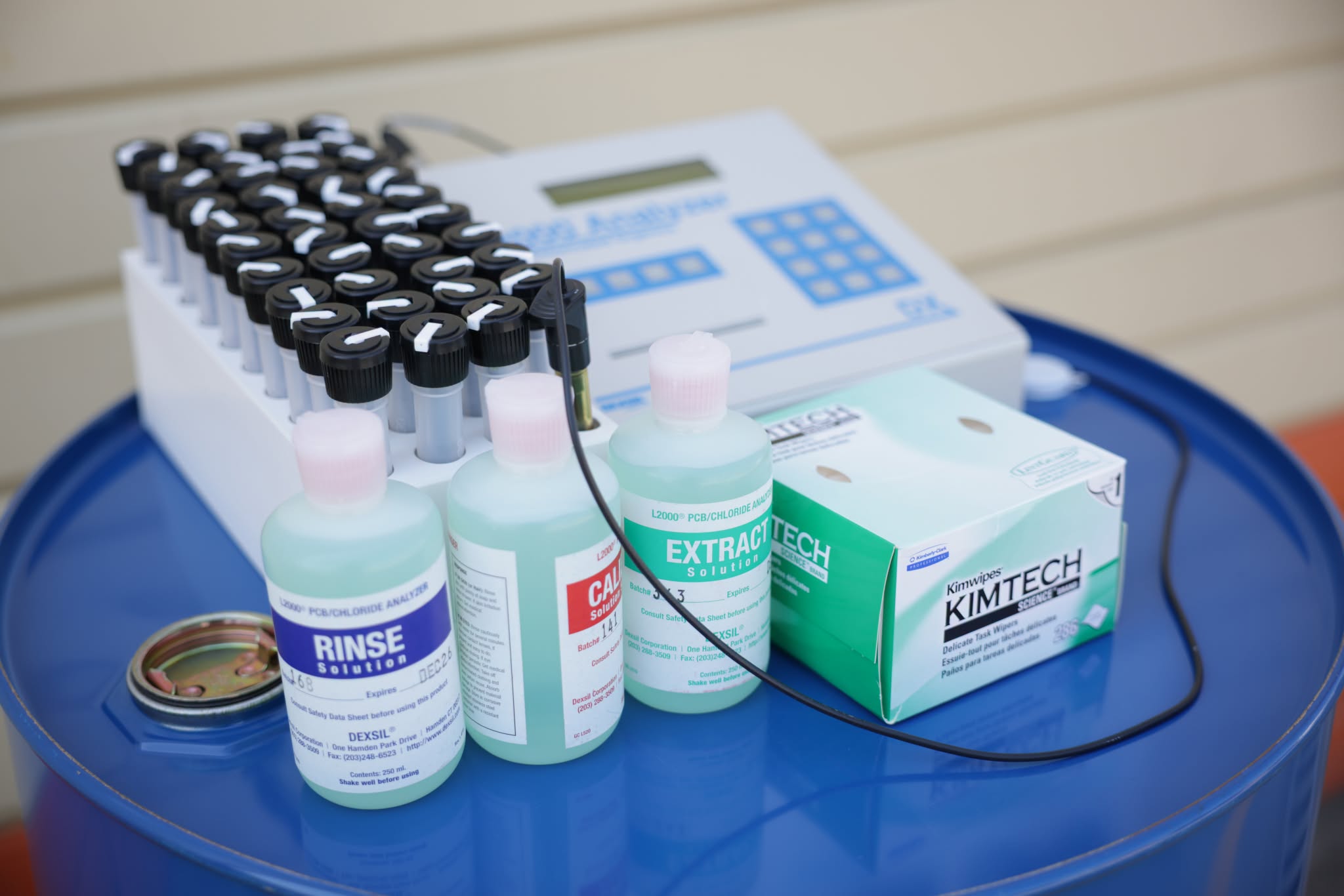
Systematic efforts to identify, inventory, and safely manage PCB-containing equipment and waste have been underway in Georgia since 2016. Under the project, more than 7,000 electrical devices at 14 companies across Georgia were inspected, PCB-contaminated equipment was identified, and a comprehensive system for safe management was established.
"Since 2022, we have been actively collecting PCB-contaminated oils, and today we have reached a milestone whereby approximately 70 per cent of the country's existing PCB contamination can be safely exported to Europe for final disposal. It is essential to mention that 14 private companies participated in the process, enabling the project to be successfully implemented under the coordination of the Ministry of Environmental Protection and Agriculture. This kind of international cooperation significantly reduces the financial burden on the private sector, as the collection, inventory, export, and environmentally sound disposal of the hazardous waste have been fully financed through donor support," said Mrs Sopio Akhobadze.
Polychlorinated biphenyls (PCBs) are classified as persistent organic pollutants (POPs), characterised by their high toxicity and long-term persistence in the environment. Their safe management and environmentally sound disposal constitute one of the key priorities of international environmental policy.
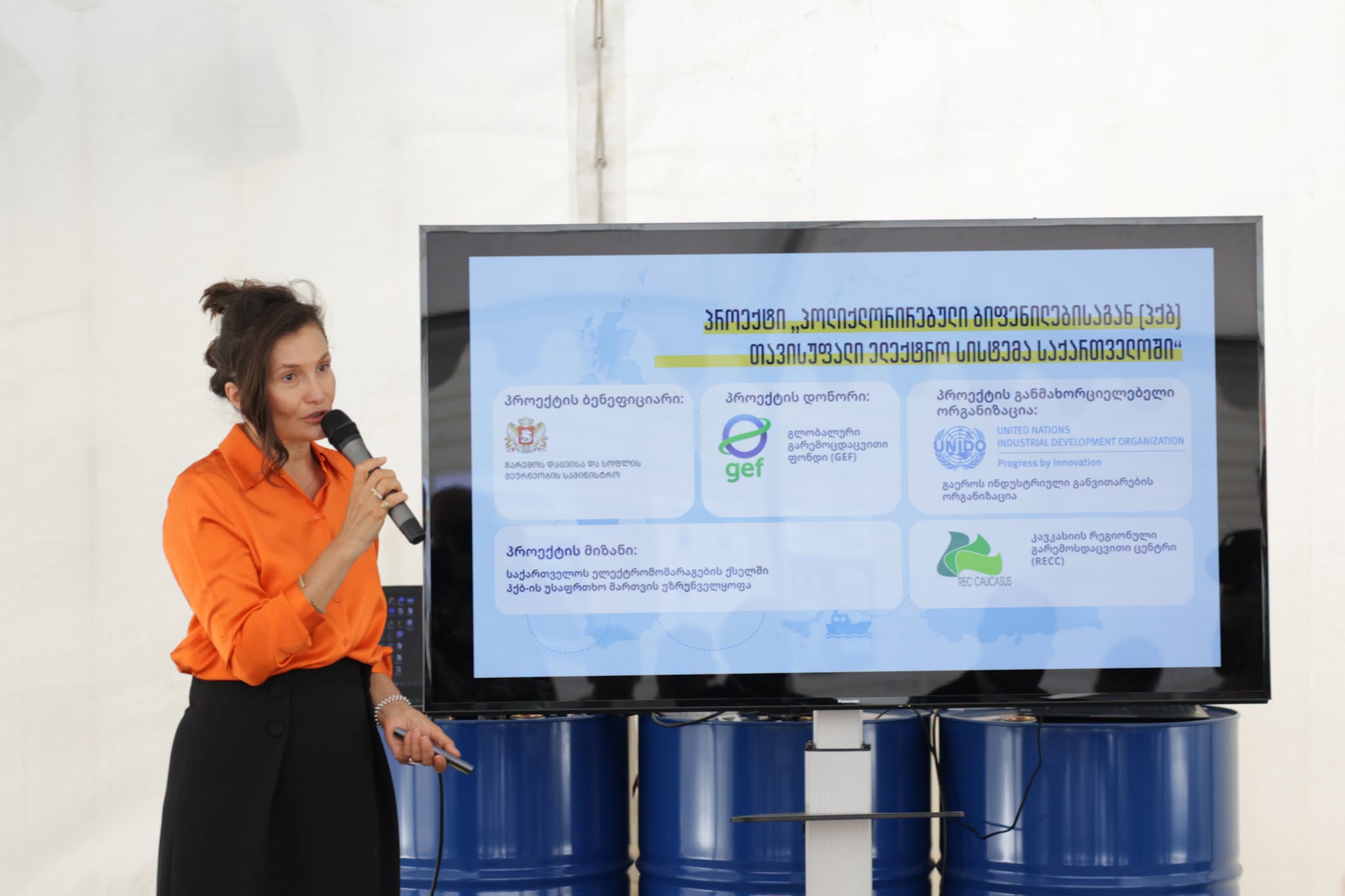
The project "PCB-Free Power Supply in Georgia" is financed by the Global Environment Facility and implemented by the United Nations Industrial Development Organisation. The Regional Environmental Centre for the Caucasus serves as the executing partner, while the Ministry of Environmental Protection and Agriculture of Georgia is the project initiator.